It’s important to protect your information from cyberattacks no matter where you are, especially when working at the airport or a local cafe. If you don’t follow your organization’s cybersecurity practices while working in a public location,


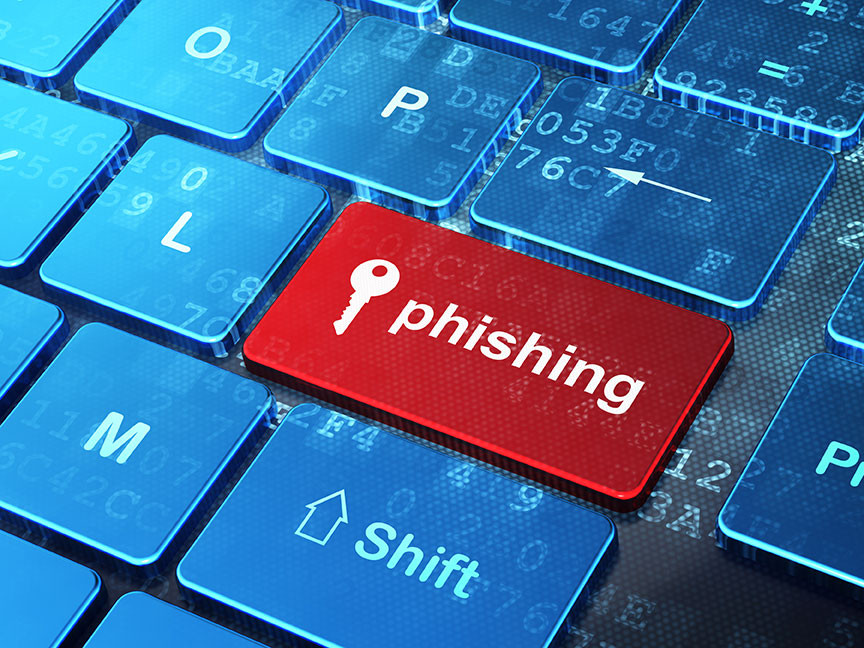
Most email providers have security filters that check emails for malicious links or attachments. You may feel like you can rely on these filters and, as a result, trust that emails sent to your inbox are safe.
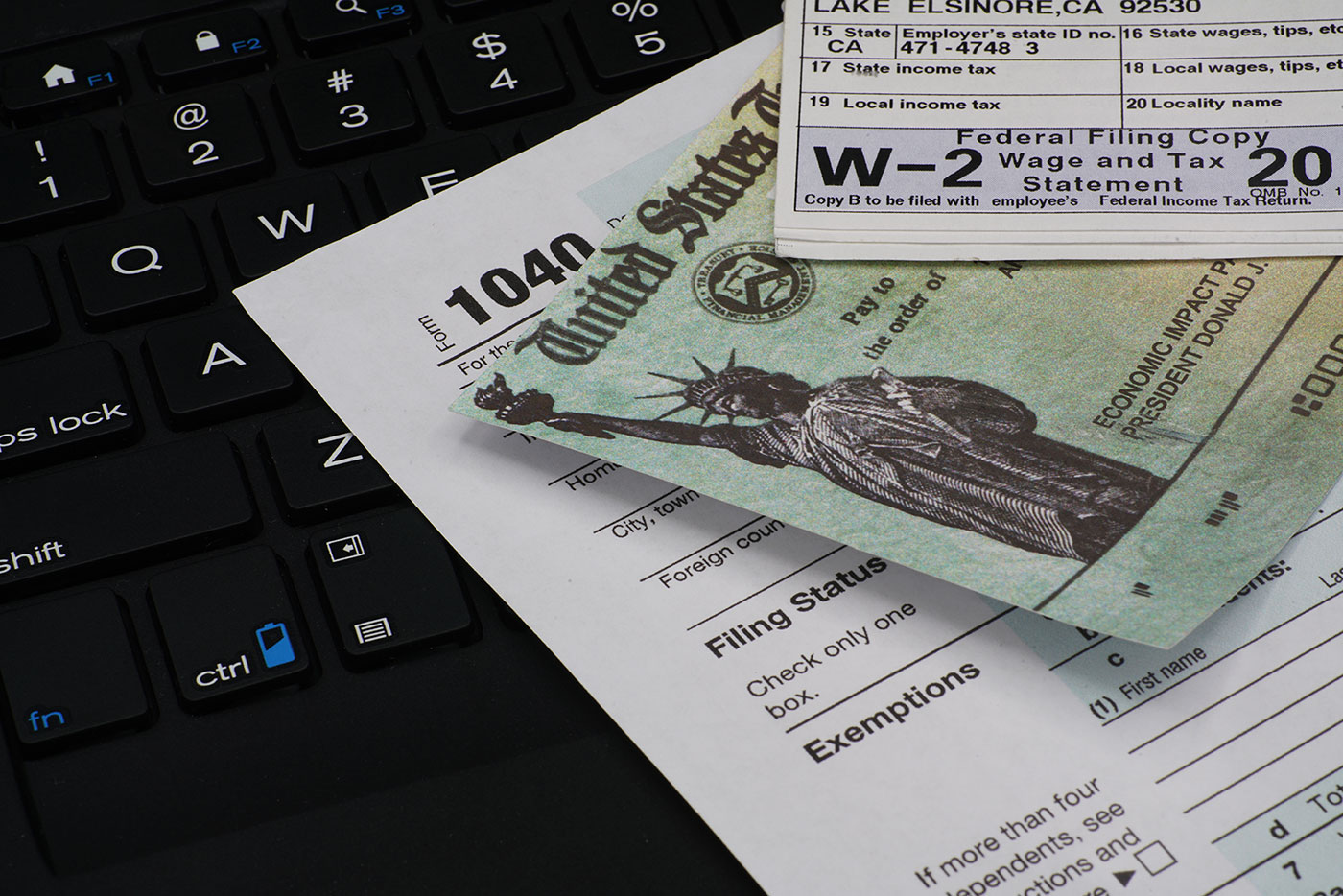
Every year, the bad guys take advantage of innocent taxpayers, like you, who are patiently waiting on their tax return. Last year, the IRS noticed a significant increase in phishing attempts to steal money or tax data,
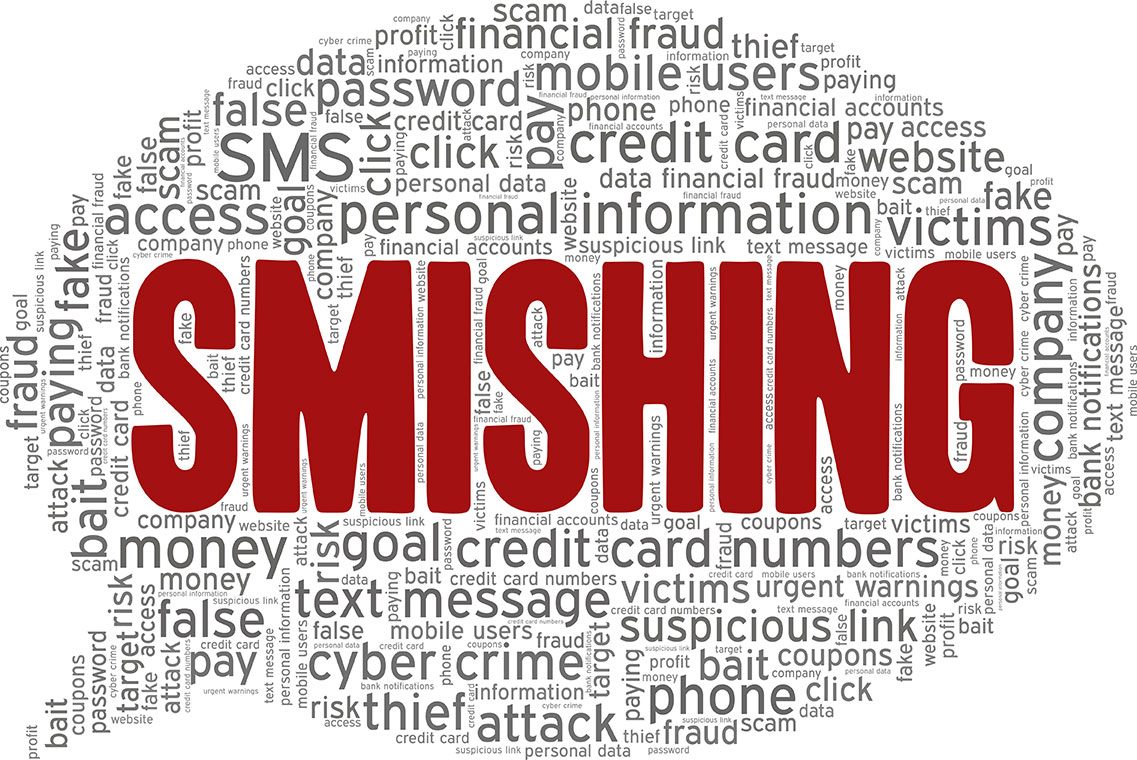
Okta's single sign-on (SSO) service allows users to log in to multiple accounts by using one set of login credentials. Unfortunately, users aren't the only people who benefit from this service. Cybercriminals are taking advantage of Okta
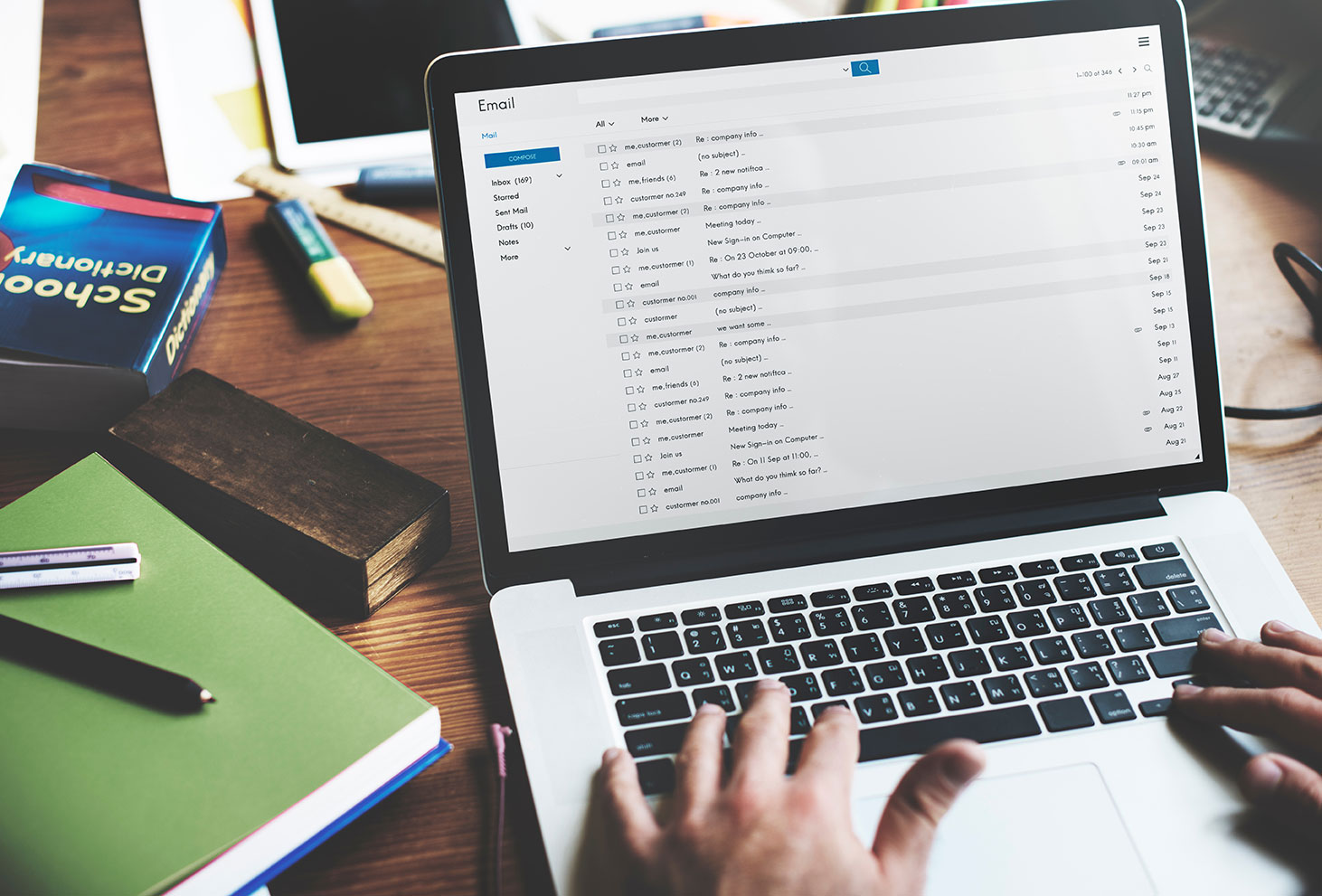
You probably use URLs every day to access important websites such as your email inboxes, online banking accounts, and social media profiles. Unfortunately, cybercriminals can use URLs to direct you to malicious websites, to steal your personal
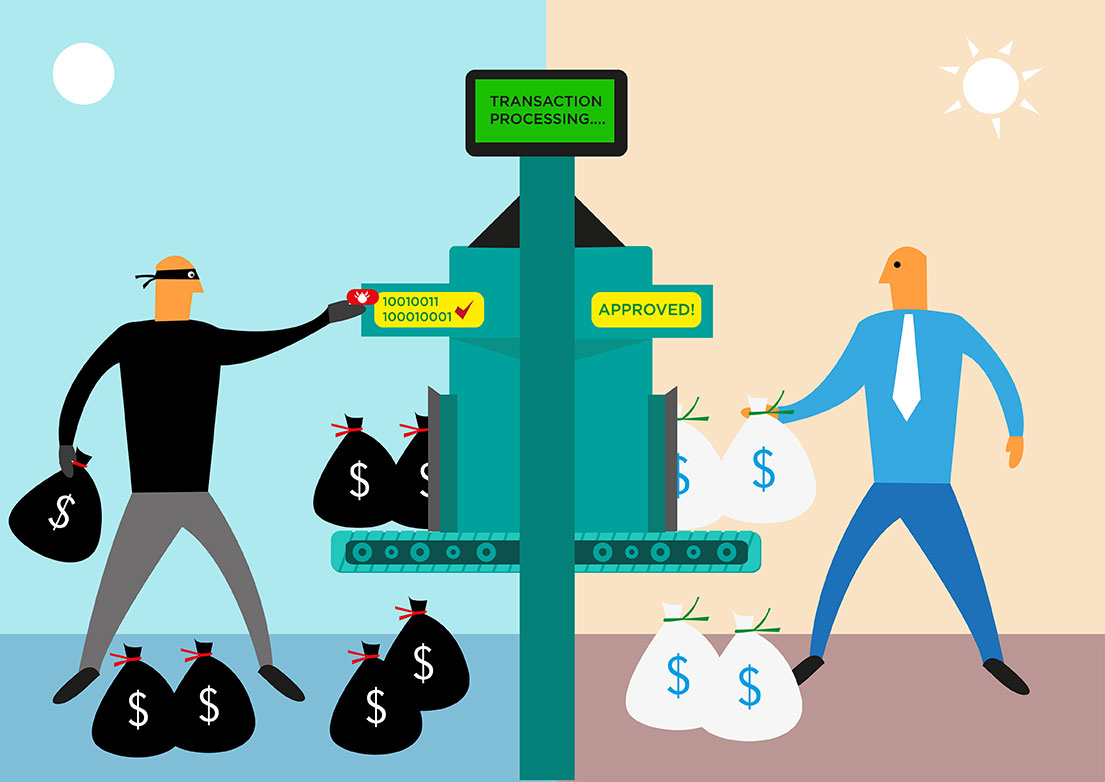
Organizations often use email to send their employees invoices that they need to pay. Now, cybercriminals are taking advantage of this process by using fraudulent funds transfer (FFT) scams. In FFT scams, cybercriminals try to manipulate you
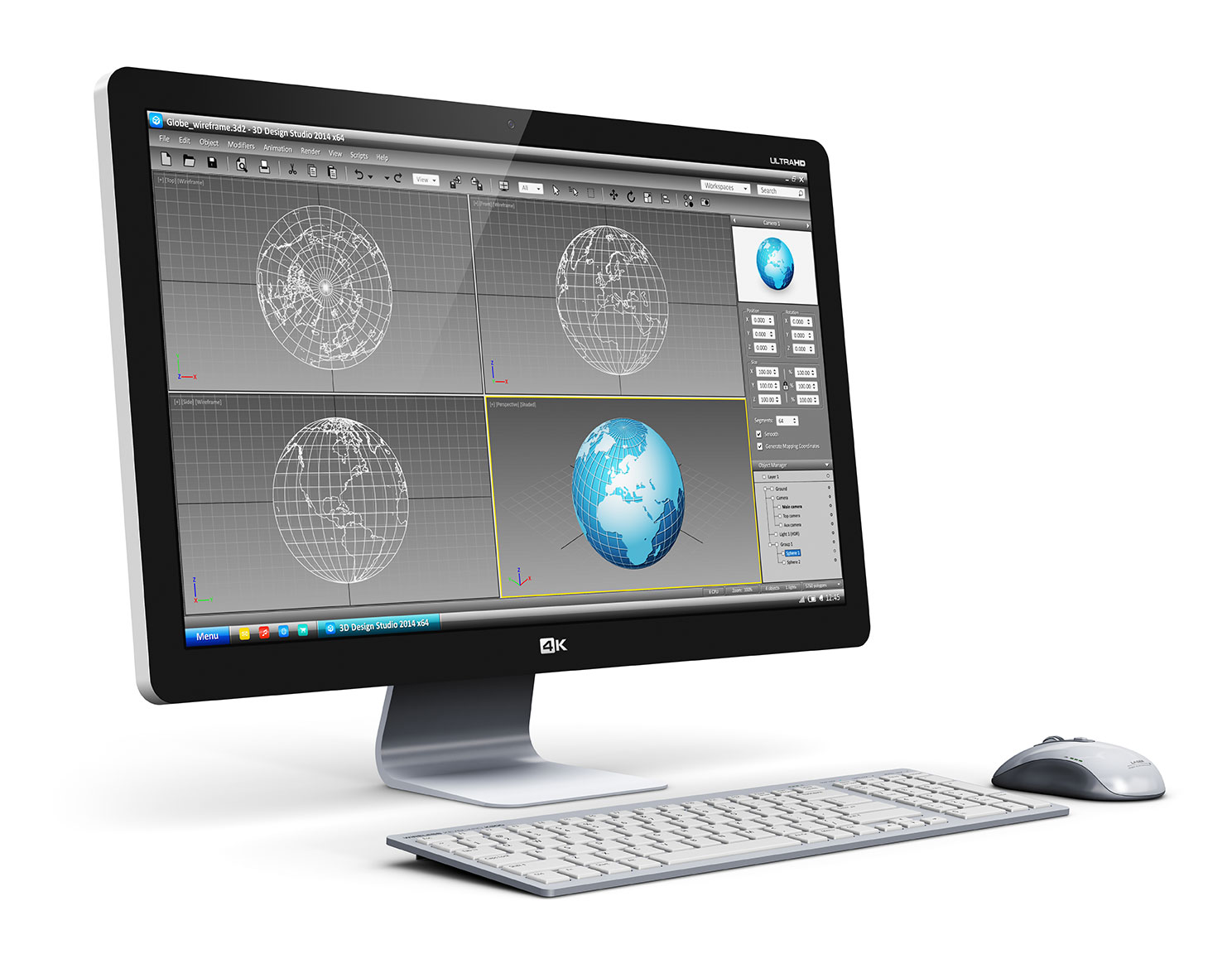
Personal pictures, social networking, online banking are all services that you should not do, or be logged in to on your work computer. Work computers are for work, visiting work-related websites, researching, emailing, generating Powerpoint slideshows, and

Facebook pages are typically used by organizations and public figures to connect with their community. Anyone can make a Facebook page, even cybercriminals. Using social media, cybercriminals spoof brands and organizations to trick people into trusting them.