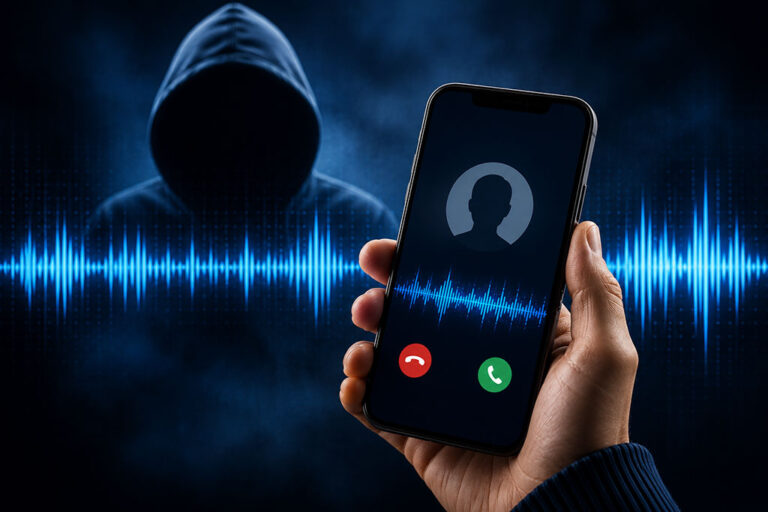
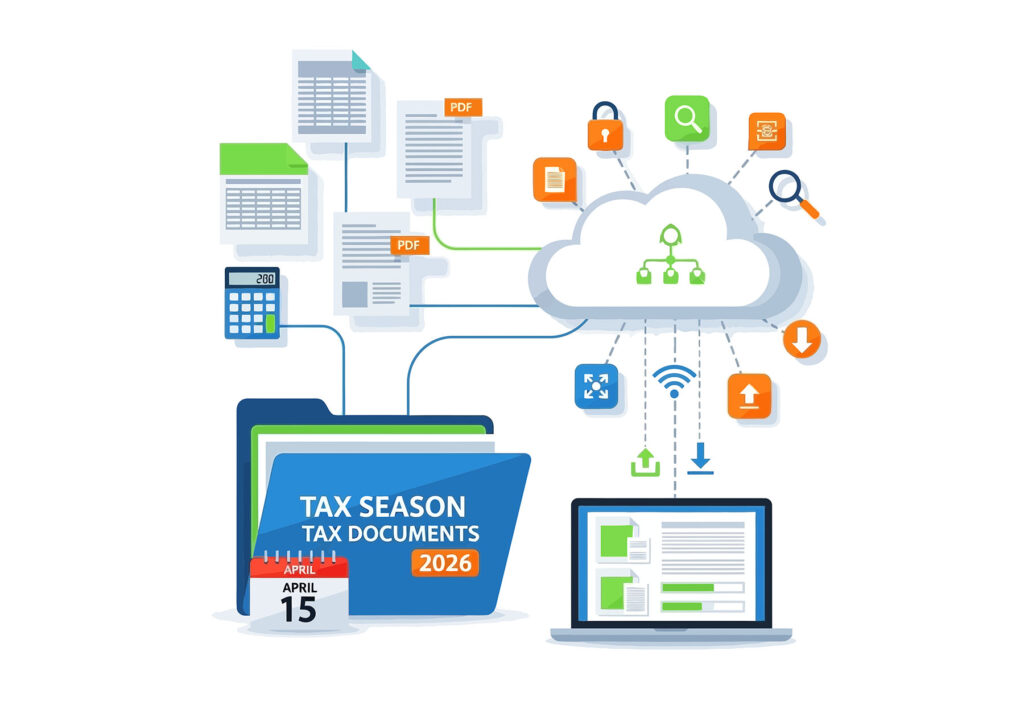
Tax season is stressful enough without worrying about cybercriminals. Unfortunately, this time of year is one of the busiest for online scams, phishing attacks, and data theft, targeting both households and businesses.
From fake IRS emails to stolen login credentials and compromised devices, cybercriminals know tax season creates urgency and confusion, making it the perfect opportunity to strike. The good news? A few smart precautions — and the right technology foundation — can dramatically reduce your risk.
Why Tax Season Attracts Cybercriminals
Tax-related data is extremely valuable. Social Security numbers, bank account details, employer information, and login credentials can all be exploited for identity theft or financial fraud.
Common tax-season threats include:
- Phishing emails pretending to be from the IRS, tax software providers, or payroll services
- Fake refund notifications urging you to “act now”
- Malicious attachments or links that install malware
- Credential theft from unsecured devices or networks
These attacks don’t just target large organizations. Small businesses, remote workers, and individuals are often seen as easier targets.
Legitimate Communications Still Require Extra Caution
Not every risk during tax season comes from a scam. Legitimate communications from banks, investment firms, employers, and tax providers often contain — or provide access to — highly sensitive information, whether delivered digitally or by mail.
To reduce exposure:
- Be cautious with links in legitimate emails. Even trusted senders can be spoofed or compromised. When possible, access financial and tax accounts by typing the website address directly into your browser instead of clicking links.
- Limit sensitive information stored in your inbox. Use secure online portals or paperless delivery options where documents are accessed only after logging in.
- Protect physical mail and documents. Tax forms, bank statements, and investment records sent by mail should be retrieved promptly and stored securely.
- Dispose of documents properly. Shred hard copies containing personal or financial information instead of throwing them away intact.
- Avoid leaving documents unattended. Sensitive paperwork should not be left on desks, printers, or in shared spaces.
These extra precautions help reduce the risk of accidental exposure during a time of year when financial data is frequently shared.
Filing Early Can Reduce Security Risk
Filing your taxes early isn’t just about getting a refund sooner — it can also reduce your exposure to fraud.
Cybercriminals sometimes attempt to file fraudulent tax returns using stolen personal information. When a legitimate return is filed first, it becomes much harder for criminals to succeed.
Additional security benefits of filing early include:
- Fewer weeks of sensitive data being shared, stored, or transmitted
- Less last-minute pressure, which can lead to rushed decisions or missed warning signs
- More time to identify and respond to suspicious activity if it occurs
Filing early, combined with secure online access and good cybersecurity practices, helps limit opportunities for tax-related fraud.
Warning Signs of Tax-Related Scams
Be cautious if you see:
- Emails or texts demanding immediate action
- Messages threatening penalties or arrest
- Requests for sensitive information via email or text
- Links that look official but lead to unfamiliar websites
The IRS and legitimate tax professionals will never ask for sensitive information through unsolicited messages.
How to Protect Yourself During Tax Season
Whether you’re filing personal taxes or managing business finances, these steps can help keep your data secure:
- Secure Your Internet Connection – A reliable, high-speed fiber connection isn’t just about speed — it supports secure data transfers, faster updates, and stronger protection for connected devices.
- Use Multi-Factor Authentication (MFA) – Enable MFA on tax software, email accounts, and financial platforms whenever possible. Even if a password is compromised, MFA adds a critical layer of protection.
- Keep Devices Updated – Unpatched systems are a favorite target for attackers. Regular updates help close security gaps before they can be exploited.
- Be Careful with Links and Attachments – If you didn’t expect it, don’t click it. When in doubt, go directly to the official website instead of using a link in a message.
- Back Up Important Data
Accidental deletions, ransomware, or system failures can be devastating during tax season. Secure backups ensure you can recover quickly if something goes wrong.
Key Tax Season Risks for Businesses
For businesses, tax season often means:
- Increased sharing of sensitive employee data
- Payroll processing and reporting
- Communication with accountants and third parties
This makes it especially important to have:
- Secure email and endpoint protection
- Monitoring for suspicious activity
- Backup and recovery solutions
- Clear cybersecurity policies for employees
Proactive managed IT and cybersecurity services can help prevent issues before they disrupt operations. Learn more >
What if Identity Theft Happens to You?
From consumer.ftc.gov
- Visit IdentityTheft.gov to report identity theft to the FTC and get a personal recovery plan.
- IdentityTheft.gov walks you through recovery steps for more than 30 types of identity theft.
The Citynet Difference: Connect. Protect. Perfect.
At Citynet, cybersecurity starts with a strong foundation. Our fiber network delivers the speed, reliability, and performance modern homes and businesses need — while our managed IT and cybersecurity solutions help protect your data, systems, and reputation.
With proactive monitoring, layered security, and expert support, Citynet helps organizations stay connected and protected…during tax season and all year long.
Because when it comes to your data, security should never be an afterthought.