Google Translate Phishing Scams

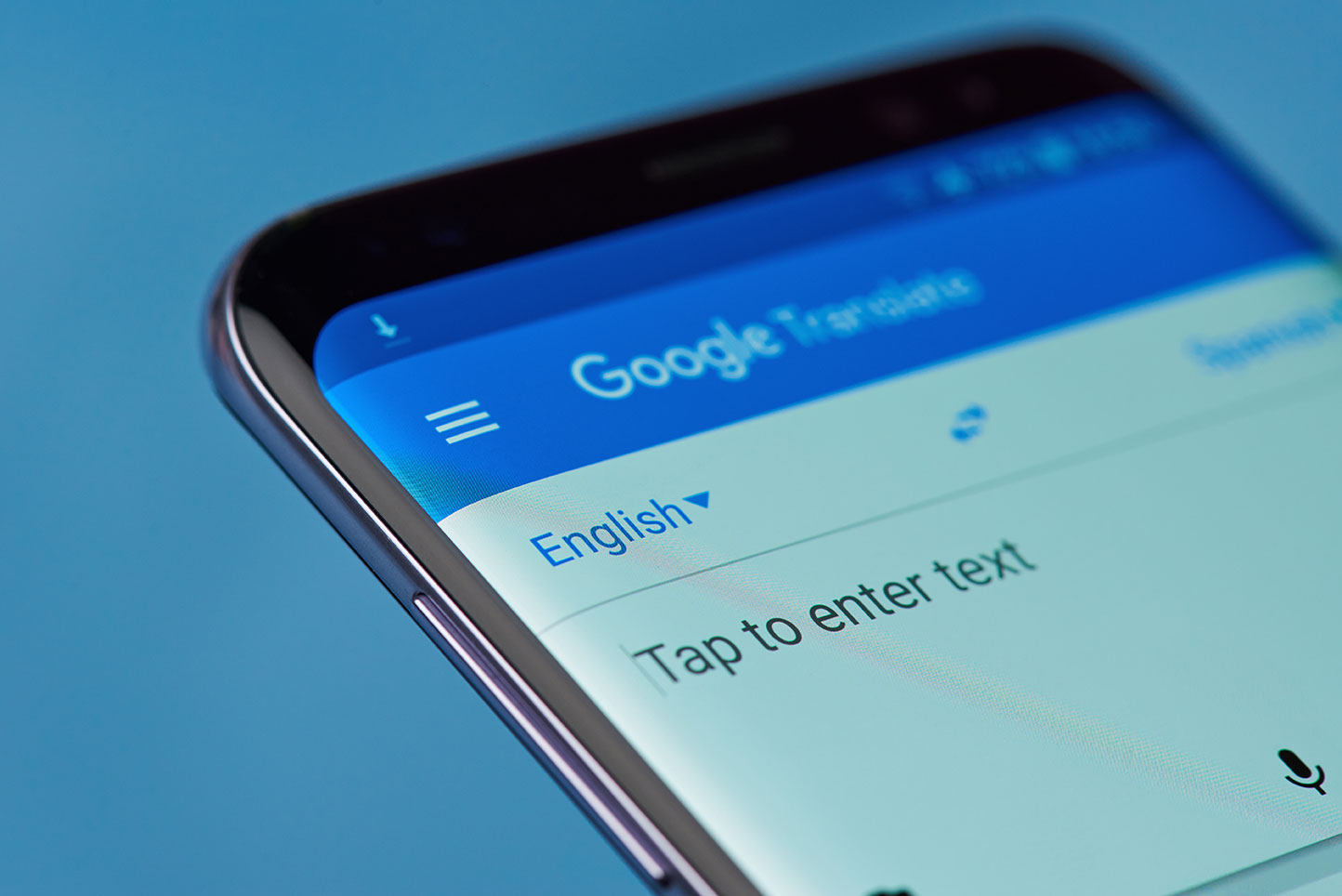
Google Translate Image

Google Translate is a free service that you can use to translate text from one language to another. Since Google Translate is a Google product, many people view it as a sign that a webpage is trustworthy. Now, cybercriminals are spoofing Google Translate pages to make their phishing campaigns seem legitimate.

In a new phishing scam, cybercriminals send an email claiming that important emails are being withheld from your inbox. The email instructs you to click a link to log in and confirm your account. This link will redirect you to a spoofed login page that displays a Google Translate banner. This banner claims that text on this page has been translated into your language and makes the page look legitimate. If you enter your login credentials, cybercriminals will use them to access your account and steal your sensitive information.

Use the tips below to spot Google Translate phishing scams:

  • If you receive an email claiming you have an account issue, always log in to the organization’s website directly.
  • Before you click a link, hover your mouse over it. Make sure that the link leads to a legitimate, safe website that corresponds with the content in the email.

Enable multi-factor authentication (MFA) on your accounts when it is available. MFA adds a layer of security by requiring that you provide additional verification to log in to your account.


Knowbe4 Logo

Stop, Look, and Think. Don’t be fooled.

Protect your network! Learn more about security awareness training for your team.

Like This Post?

Facebook
X
LinkedIn
Pinterest

More Posts

Blog Cybercrime Calling Image
Cybersecurity

Cybercriminals Are Now Calling Your Employees

Is Your Business Prepared? Cyber threats are evolving, and one of the fastest-growing tactics right now is social engineering through trusted communication platforms. Instead of trying to hack their way in, cybercriminals are increasingly talking their way in. Attackers are impersonating IT staff, executives, vendors, and even coworkers via phone calls and collaboration tools such as Microsoft Teams, Webex, and other messaging

Laptop Typing With Icons Image
Cybersecurity

Shadow IT: The Apps Your Employees Use That IT Doesn’t Know About

When most businesses think about cybersecurity risk, they picture hackers breaking in from the outside. But one of the fastest-growing risks isn’t external at all. It’s happening inside your organization…quietly, unintentionally, and often with good intentions. It’s called Shadow IT. And it’s growing faster than most businesses realize. What Is Shadow IT? Shadow IT refers to any software, app, cloud platform,

Teamwork People Tablet Image
Cybersecurity

The New Employee Is Your Biggest Security Risk

(And It’s Not Their Fault) When businesses think about cybersecurity risk, they often picture hackers, ransomware, or sophisticated phishing attacks. But one of the most common — and overlooked — security risks starts on day one: A new employee. Not because they’re careless.Not because they’re malicious.But because onboarding and offboarding processes often leave dangerous gaps. If those gaps aren’t managed

Umbrella Covering Laptop Cybersecurity Image
Cybersecurity

The New Reality of Cyber Insurance Requirements for Small Businesses

Cyber insurance used to feel like a safety net. Today, it’s starting to feel more like an application for a mortgage. Across the country, insurance providers are tightening requirements, raising premiums, and even denying claims when businesses don’t meet modern cybersecurity standards. Many small and mid-sized organizations are discovering this shift the hard way, during policy renewal or after filing

Citynet Red Siege Webinar Post Image
Cybersecurity

Citynet and Red Siege Webinar Inside the Attacker’s Playbook

Cybersecurity isn’t just about defense — it’s about understanding how real attackers think. Join Citynet’s Craig Behr and Red Siege’s Tim Medin for an upcoming webinar, Inside the Attacker’s Playbook, where we’ll break down how real-world offensive operations uncover gaps — and how organizations can use those insights to reduce cyber risk before it becomes a business problem. Play Video

Tax Season 2026 Image 2
Cybersecurity

Cyber Protection During Tax Season: What You Need to Know

Tax season is stressful enough without worrying about cybercriminals. Unfortunately, this time of year is one of the busiest for online scams, phishing attacks, and data theft, targeting both households and businesses. From fake IRS emails to stolen login credentials and compromised devices, cybercriminals know tax season creates urgency and confusion, making it the perfect opportunity to strike. The good

SuperPod with WiFi 6E

Plume SuperPod WiFi 6E Specs

SuperPod with WiFi 6

Plume SuperPod WiFi 6 Specs

SuperPod

Plume SuperPod Secs