
“I Can’t Believe He’s Gone” Facebook Phishing Scam

Candle Image

Protect Yourself with These Tips

In the ever-evolving landscape of online scams, cybercriminals continue to find new and convincing ways to trick users into divulging sensitive information. One such method gaining popularity is the “I Can’t Believe He’s Gone” Facebook phishing scam, a devious ploy that preys on emotions to steal valuable credentials.

The scam typically starts with a seemingly heartfelt post from a friend, stating, “I can’t believe he is gone. I’m gonna miss him so much.” Accompanying the emotional message is a link to what appears to be a news article or video related to the supposed event. However, the harsh reality sets in when you click the link, only to be redirected to a fake web page prompting you to log in to Facebook.

Once you enter your login information, scammers swiftly redirect you to an unrelated page, leaving you in the dark about any news article or video. The harsh truth is that your Facebook credentials have just been stolen through a sophisticated phishing attack.

This scam is particularly insidious because scammers utilize compromised Facebook accounts to disseminate the phishing links. These posts come from seemingly trustworthy sources – your friends and family – making it all the more convincing. Once you fall victim to their tactics, scammers can exploit your Facebook account to propagate the same deceptive message to your network of friends and family.

To protect yourself from falling prey to the “I Can’t Believe He’s Gone” Facebook phishing scam, consider the following tips:

Enable Multi-Factor Authentication (MFA):
Whenever possible, activate multi-factor authentication for your accounts. MFA adds an extra layer of security by requiring additional verification steps before allowing access. This makes it significantly more challenging for scammers to compromise your account even if they have obtained your login credentials.

Verify Suspicious Posts:
While a post from a friend may seem legitimate, their account could be compromised. If you encounter a post that raises suspicion, contact the friend directly through phone or text to verify the message’s authenticity. It’s better to be safe and confirm before clicking on any links.

Extend Caution Beyond Facebook:
Recognize that this type of phishing attack isn’t exclusive to Facebook. Scammers may employ similar tactics on other social media platforms. Stay vigilant and be cautious when encountering unexpected posts or messages on any online platform.

By staying informed and implementing these precautionary measures, you can significantly reduce the risk of falling victim to the “I Can’t Believe He’s Gone” Facebook phishing scam and other deceptive online tactics. Protect your online presence, safeguard your credentials, and contribute to a safer digital community.

Contact Citynet for Multi-Factor Authentication solutions such as DUO, and to incorporate security awareness training in your workplace from Citynet partner KnowBe4

Like This Post?

Facebook
X
LinkedIn
Email

More Posts

WV 811 Dig Image
Fiber

Before You Dig in West Virginia: Why Calling 811 Matters

Spring has arrived in West Virginia, and with it comes a surge of outdoor projects—planting trees, installing fences, landscaping, and home improvements. Before you start digging, there is one step you should never skip: Contact West Virginia 811. It is free. It is simple. And in West Virginia, it is the law. What Is West Virginia 811? West Virginia 811

Fake Permitting Scam Image
The Latest Scams

Scammers Are Targeting Home Projects—Here’s What to Watch

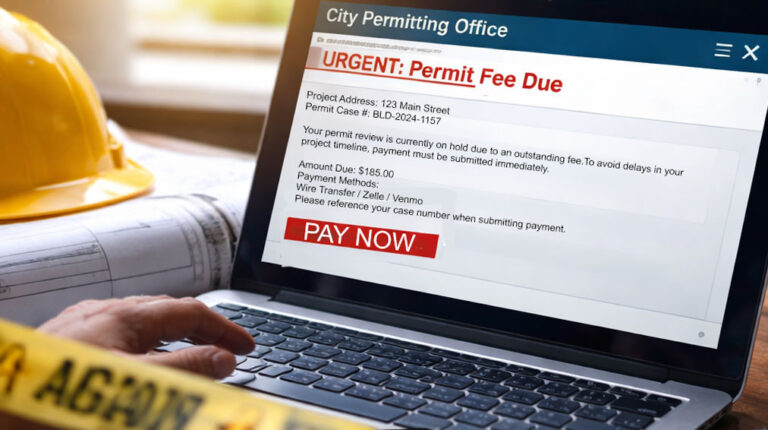
If you’re building, renovating, or improving your home, there’s a new scam you need to watch for—and it’s catching people at exactly the wrong time. How the Scam Works You receive an email that appears to come from a local government office—maybe your city, county, or permitting department. The message claims there’s an issue with your project and that you

Hand Remote Control Image
Fiber

Stop the Buffer: How to Get the Most from Your Streaming Experience

There’s nothing more frustrating than getting to the final seconds of a close game—only to see the spinning buffering wheel right before the winning shot. While buffering is often blamed on slow internet, that’s not always the case—especially if you’re already connected to Citynet Fiber. Your streaming device, settings, and even your home network setup can all impact performance. Here’s

Photography Tips Image
Technology

Phone Photography Tips: Take Better Photos This Spring

Capture Spring Like a Pro — With Just Your Phone Spring is one of the most photogenic times of year—blooming flowers, longer golden-hour light, and weekends filled with moments worth remembering. The best part?You don’t need a $3,000 camera or professional training to capture it all. The phone in your pocket is more powerful than most people realize. With just

Cybersecurity Hacker Hoodie Image
Cybersecurity

How Long Attackers Stay in a Network Before They’re Discovered

When people imagine a cyberattack, they often picture a dramatic event — systems suddenly shutting down or files becoming encrypted. But many cyber incidents don’t unfold that way. In many cases, attackers quietly gain access to a network and remain there for weeks or even months before being discovered. This period is known as “dwell time.” During this time, attackers

Cybersecurity Alert Critical Image
Cybersecurity

5 Critical Mistakes to Avoid During a Cyberattack

Think your business may already be compromised? See the warning signs and response steps here Even well-intentioned actions can make a cyber incident worse Cyberattacks often unfold quickly, and the wrong response in the first few minutes can make an incident far more difficult to contain and investigate. When a cyber incident occurs, the natural reaction is to act quickly

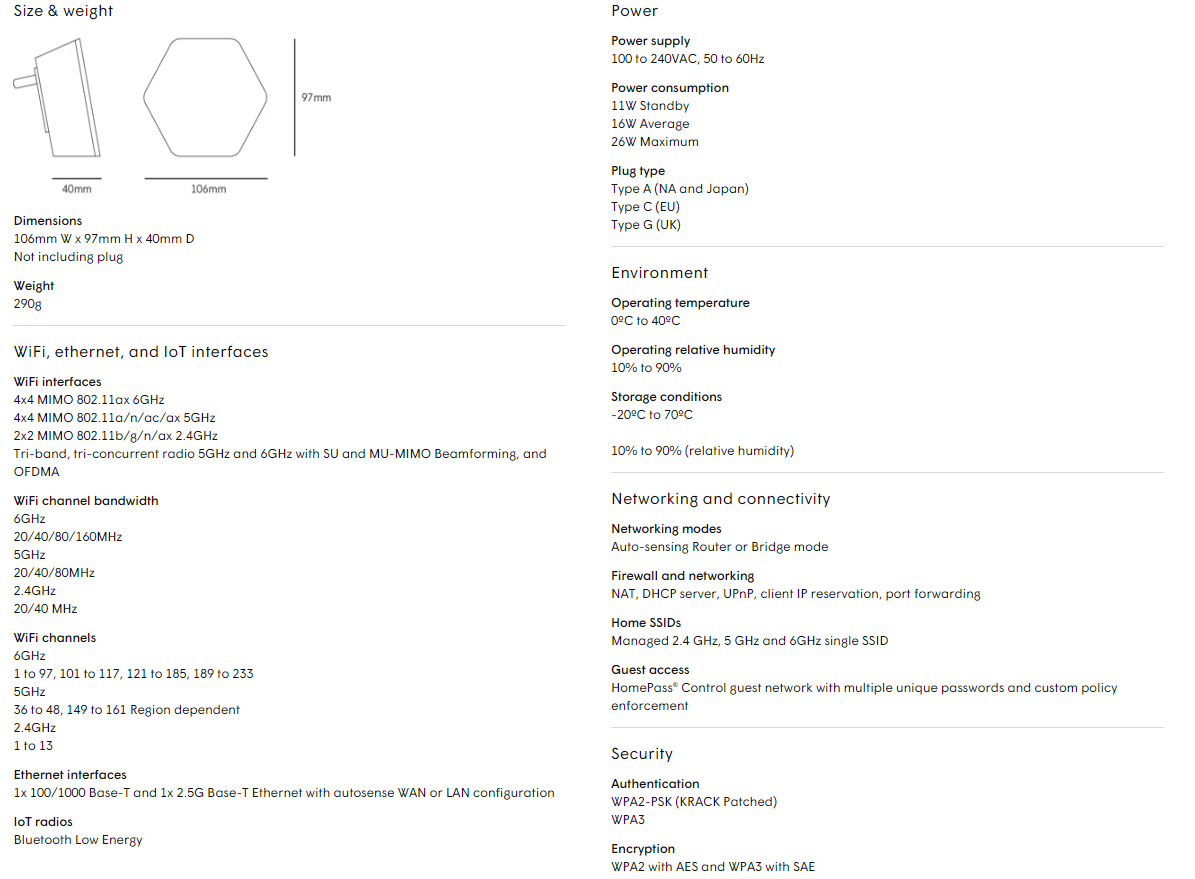
SuperPod with WiFi 6E

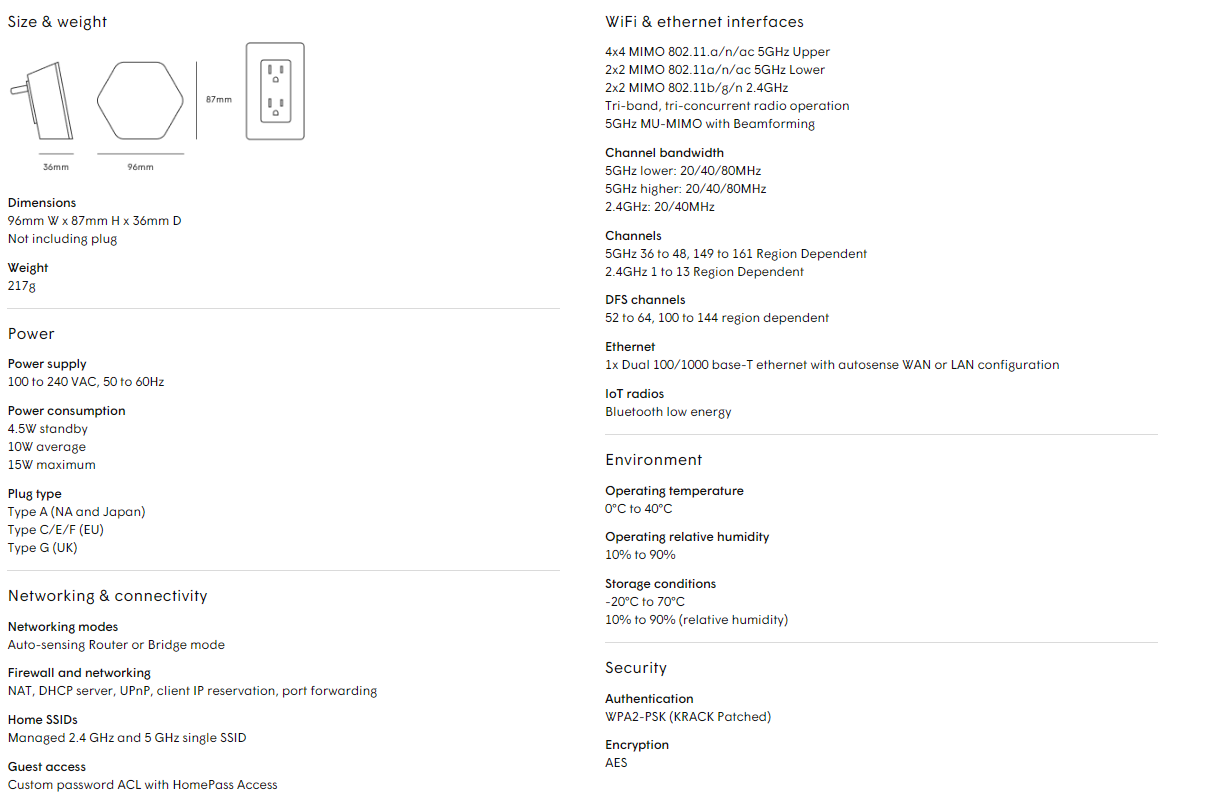
Plume SuperPod WiFi 6E Specs

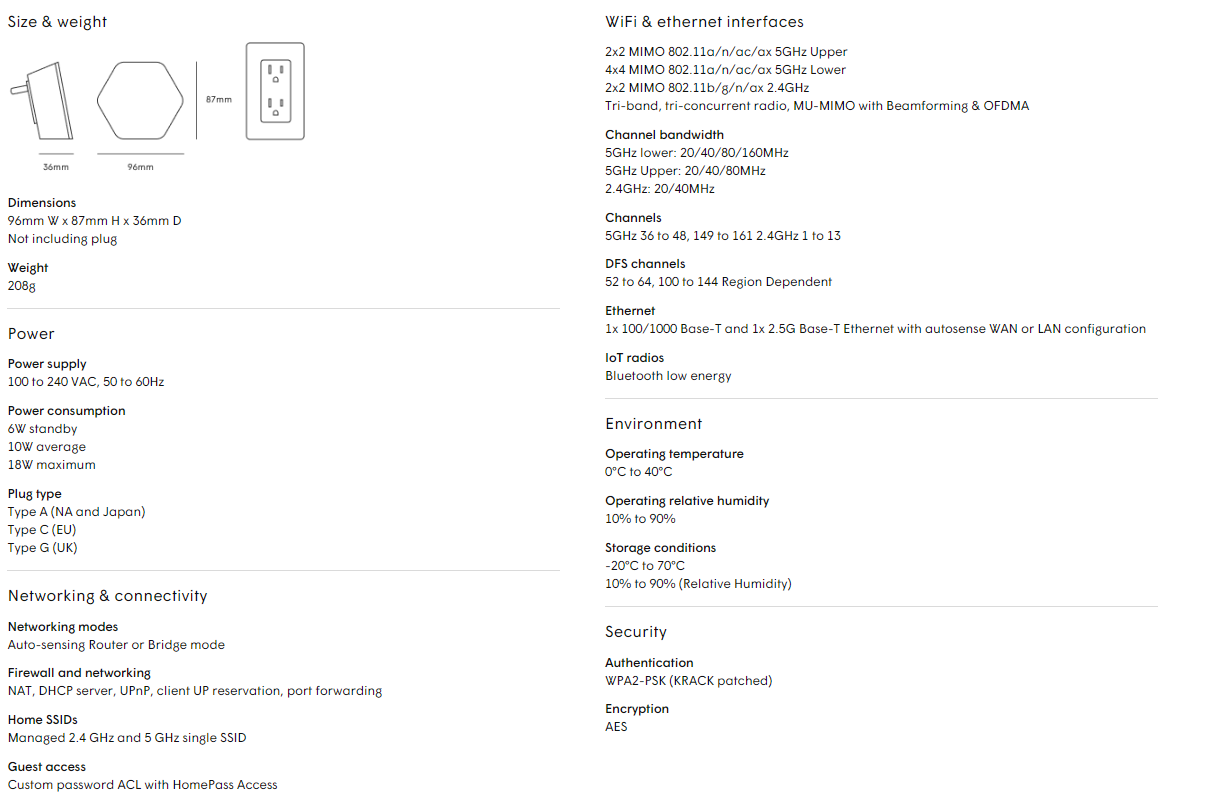
SuperPod with WiFi 6

Plume SuperPod WiFi 6 Specs

SuperPod

Plume SuperPod Secs