Recognize and Report Phishing

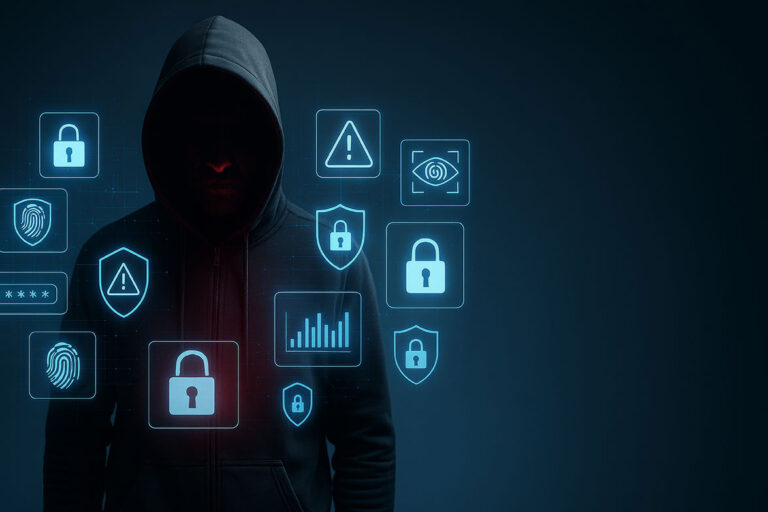
Phishing Image

Cybercriminals like to go phishing, but you don’t have to take the bait.

Phishing is when criminals use fake emails, social media posts or direct messages with the
goal of luring you to click on a bad link or download a malicious attachment. If you click on a
phishing link or file, you can hand over your personal information to the cybercriminals. A
phishing scheme can also install malware onto your device.

No need to fear your inbox, though. Fortunately, it’s easy to avoid a scam email, but only
once you know what to look for. With some knowledge, you can outsmart the phishers
every day.

See it so you don’t click it

The signs can be subtle, but once you recognize a phishing attempt you can avoid falling for
it. Before clicking any links or downloading attachments, take a few seconds (like literally 4
seconds) and ensure the email looks legit. Here are some quick tips on how to clearly spot a
phishing email:

  • Does it contain an offer that’s too good to be true?
  • Does it include language that’s urgent, alarming, or threatening?
  • Is it poorly crafted writing riddled with misspellings and bad grammar?
  • Is the greeting ambiguous or very generic?
  • Does it include requests to send personal information?
  • Does it stress an urgency to click on an unfamiliar hyperlinks or attachment?
  • Is it a strange or abrupt business request?
  • Does the sender’s e-mail address match the company it’s coming from? Look for little
  • misspellings like pavpal.com or anazon.com.

Uh oh! I see a phishing email. What do I do?

Don’t worry, you’ve already done the hard part, which is recognizing that an email is fake
and part of a criminal’s phishing expedition. If you’re at the office and the email came to
your work email address, report it to your IT manager or security officer as quickly as
possible.

If the email came to your personal email address, don’t do what it says. Do not click on any
links – even the unsubscribe link – or reply back to the email. Just use that delete button.

Remember, DON’T CLICK ON LINKS, JUST DELETE.

You can take your protection a step further and block the sending address from your email
program. Here’s how to…

Report phishing

Some email platforms let you report phishing attempts. If you suspect an email is phishing
for your information, it’s best to report it quickly. If the phishing message came to your work
email, let your IT department know about the situation ASAP.

Here’s how to:

You can report a phishing attempt to the Federal Trade Commission here.


Like This Post?

Facebook
X
LinkedIn
Email

More Posts

Blog Spring Clean Image
Checklists

Spring Clean Your Home Office (Inside and Out)

Spring is right around the corner. While you’re planning to declutter closets and organize the garage, don’t forget one of the most important spaces in your home — your office. A cleaner, more organized workspace doesn’t just look better; it also performs better. It can improve focus, boost productivity, reduce stress, and even help your devices perform more efficiently. This

Ticket Scam QR Image
Cybersecurity

You’ve Been Served… a Scam!

Beware of Fake Toll Violation Text Messages Cybercriminals are constantly evolving their tactics to trick people into giving up sensitive information. One of the latest scams circulating involves fake toll violation notices sent by text message. At first glance, the message looks convincing. It claims you have an unpaid traffic toll that must be paid immediately. The text often includes

Blog Cybercrime Calling Image
Cybersecurity

Cybercriminals Are Now Calling Your Employees

Is Your Business Prepared? Cyber threats are evolving, and one of the fastest-growing tactics right now is social engineering through trusted communication platforms. Instead of trying to hack their way in, cybercriminals are increasingly talking their way in. Attackers are impersonating IT staff, executives, vendors, and even coworkers via phone calls and collaboration tools such as Microsoft Teams, Webex, and other messaging

Laptop Typing With Icons Image
Cybersecurity

Shadow IT: The Apps Your Employees Use That IT Doesn’t Know About

When most businesses think about cybersecurity risk, they picture hackers breaking in from the outside. But one of the fastest-growing risks isn’t external at all. It’s happening inside your organization…quietly, unintentionally, and often with good intentions. It’s called Shadow IT. And it’s growing faster than most businesses realize. What Is Shadow IT? Shadow IT refers to any software, app, cloud platform,

Teamwork People Tablet Image
Cybersecurity

The New Employee Is Your Biggest Security Risk

(And It’s Not Their Fault) When businesses think about cybersecurity risk, they often picture hackers, ransomware, or sophisticated phishing attacks. But one of the most common — and overlooked — security risks starts on day one: A new employee. Not because they’re careless.Not because they’re malicious.But because onboarding and offboarding processes often leave dangerous gaps. If those gaps aren’t managed

Umbrella Covering Laptop Cybersecurity Image
Cybersecurity

The New Reality of Cyber Insurance Requirements for Small Businesses

Cyber insurance used to feel like a safety net. Today, it’s starting to feel more like an application for a mortgage. Across the country, insurance providers are tightening requirements, raising premiums, and even denying claims when businesses don’t meet modern cybersecurity standards. Many small and mid-sized organizations are discovering this shift the hard way, during policy renewal or after filing

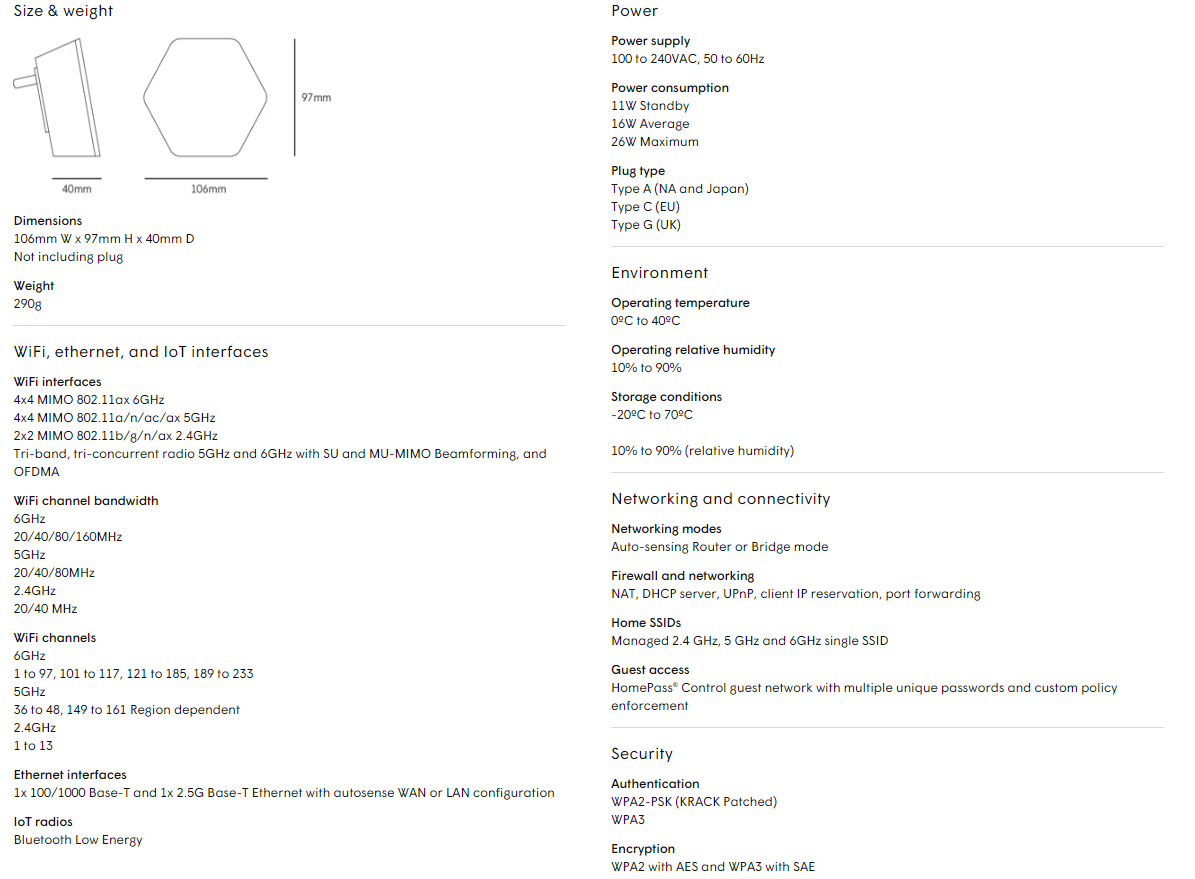
SuperPod with WiFi 6E

Plume SuperPod WiFi 6E Specs

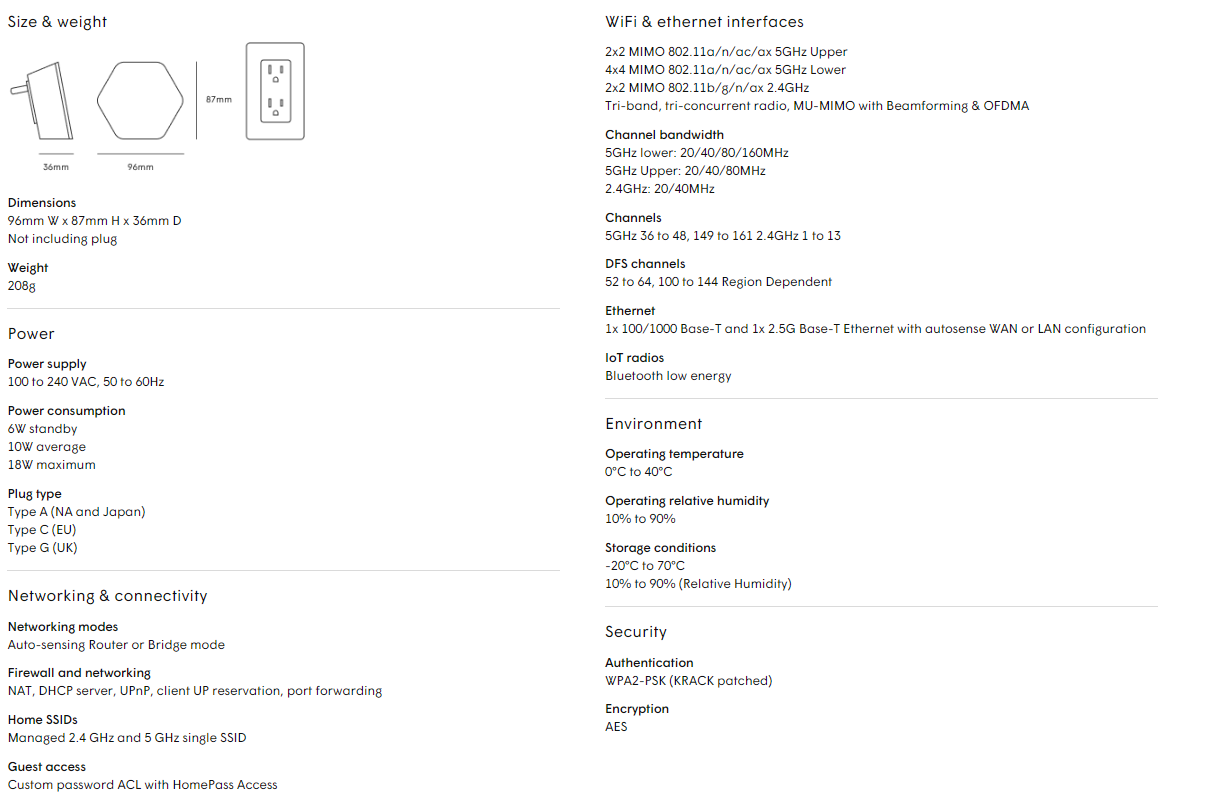
SuperPod with WiFi 6

Plume SuperPod WiFi 6 Specs

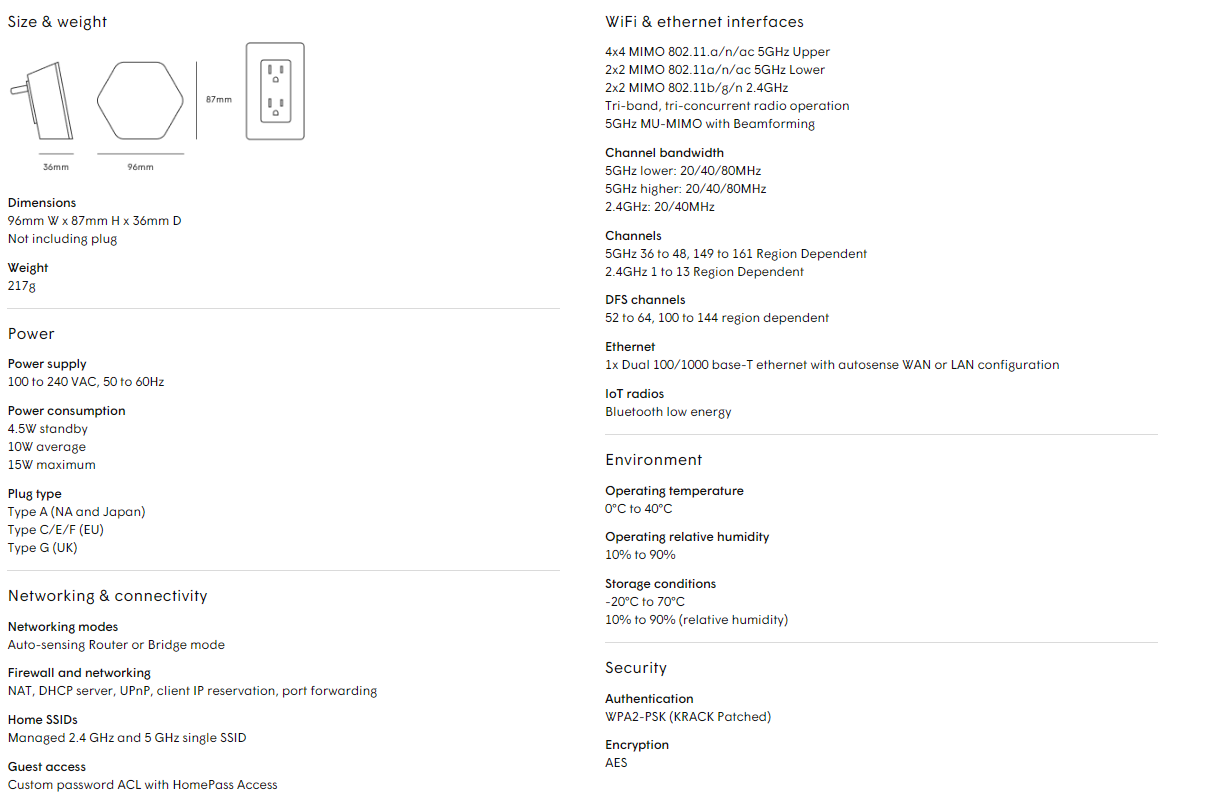
SuperPod

Plume SuperPod Secs