
The Role of Search Engine Optimization (SEO) in Cyberattacks

SEO Image

You probably use your favorite search engine, such as Google or Bing, to find more information about topics that interest you. Have you ever stopped to think about how the top search results earned their spots? Unfortunately, cybercriminals can use search engine results to launch cyberattacks. 

When you search, you probably plan to click a link to a relevant website. If you’re not careful, you could visit a malicious website instead. Cybercriminals can use search engine optimization, or SEO, to position their websites at the top of search results. With SEO, cybercriminals can get not only your clicks but also your sensitive information.

What Is SEO and How Does It Affect You?

SEO is the process of improving a website to rank higher in search results. High-ranked websites and pages receive more visibility, producing invaluable clicks and views. After all, when is the last time you actually made it to page two or three of your search results? If a website is behind two or three pages of search results, you probably won’t see it. Most people settle for an answer on page one, even if that answer comes from an unfamiliar source.

How Do Cybercriminals Use SEO to Target You in Search Results?

Cybercriminals use SEO to boost the ranking of their malicious websites, giving them the appearance of legitimacy. You may find the information you were looking for on the first page of your search results and click the link. To gain access to the full information, the website may prompt you to create an account, sign up for a mailing list, or enter other personal information. Even if these websites seem safe, your information could fall right into the cybercriminals’ hands.

Another way that cybercriminals use SEO in their attacks is by targeting high-ranking websites. Cybercriminals will work to get a foothold in established websites by targeting employees with cyberattacks, such as phishing emails. If an employee falls prey to a cyberattack and provides login credentials or other personal information, the cybercriminals can use that information to gain entry into the website. From there, cybercriminals can plant links that redirect visitors to their own malicious websites. You may click a link from a legitimate, high-ranking website and find yourself on a different website instead.

What Can I Do to Stay Safe?

You don’t need to stop using search engines, but you do need to stay vigilant. Follow the tips below to protect yourself and your organization from these types of scams:

  • Always think before you click on a link to a website. Can you get the information you need without accessing the website, such as in the snippet preview text? If the website seems suspicious, is there a legitimate website you could visit instead?
  • If you visit an unknown website, don’t enter sensitive information such as login credentials or personal data. Leave the website and attempt to find the information through secure, legitimate sources.

Check the URL you are visiting. Is the URL the same link you clicked on from the search results, or were you redirected to another page?



Knowbe4 Logo

Stop, Look, and Think. Don’t be fooled.

Like This Post?

Facebook
X
LinkedIn
Pinterest

More Posts

Ticket Scam QR Image
Cybersecurity

You’ve Been Served… a Scam!

Beware of Fake Toll Violation Text Messages Cybercriminals are constantly evolving their tactics to trick people into giving up sensitive information. One of the latest scams circulating involves fake toll violation notices sent by text message. At first glance, the message looks convincing. It claims you have an unpaid traffic toll that must be paid immediately. The text often includes

Blog Cybercrime Calling Image
Cybersecurity

Cybercriminals Are Now Calling Your Employees

Is Your Business Prepared? Cyber threats are evolving, and one of the fastest-growing tactics right now is social engineering through trusted communication platforms. Instead of trying to hack their way in, cybercriminals are increasingly talking their way in. Attackers are impersonating IT staff, executives, vendors, and even coworkers via phone calls and collaboration tools such as Microsoft Teams, Webex, and other messaging

Laptop Typing With Icons Image
Cybersecurity

Shadow IT: The Apps Your Employees Use That IT Doesn’t Know About

When most businesses think about cybersecurity risk, they picture hackers breaking in from the outside. But one of the fastest-growing risks isn’t external at all. It’s happening inside your organization…quietly, unintentionally, and often with good intentions. It’s called Shadow IT. And it’s growing faster than most businesses realize. What Is Shadow IT? Shadow IT refers to any software, app, cloud platform,

Teamwork People Tablet Image
Cybersecurity

The New Employee Is Your Biggest Security Risk

(And It’s Not Their Fault) When businesses think about cybersecurity risk, they often picture hackers, ransomware, or sophisticated phishing attacks. But one of the most common — and overlooked — security risks starts on day one: A new employee. Not because they’re careless.Not because they’re malicious.But because onboarding and offboarding processes often leave dangerous gaps. If those gaps aren’t managed

Umbrella Covering Laptop Cybersecurity Image
Cybersecurity

The New Reality of Cyber Insurance Requirements for Small Businesses

Cyber insurance used to feel like a safety net. Today, it’s starting to feel more like an application for a mortgage. Across the country, insurance providers are tightening requirements, raising premiums, and even denying claims when businesses don’t meet modern cybersecurity standards. Many small and mid-sized organizations are discovering this shift the hard way, during policy renewal or after filing

Citynet Red Siege Webinar Post Image
Cybersecurity

Citynet and Red Siege Webinar Inside the Attacker’s Playbook

Cybersecurity isn’t just about defense — it’s about understanding how real attackers think. Join Citynet’s Craig Behr and Red Siege’s Tim Medin for an upcoming webinar, Inside the Attacker’s Playbook, where we’ll break down how real-world offensive operations uncover gaps — and how organizations can use those insights to reduce cyber risk before it becomes a business problem. Play Video

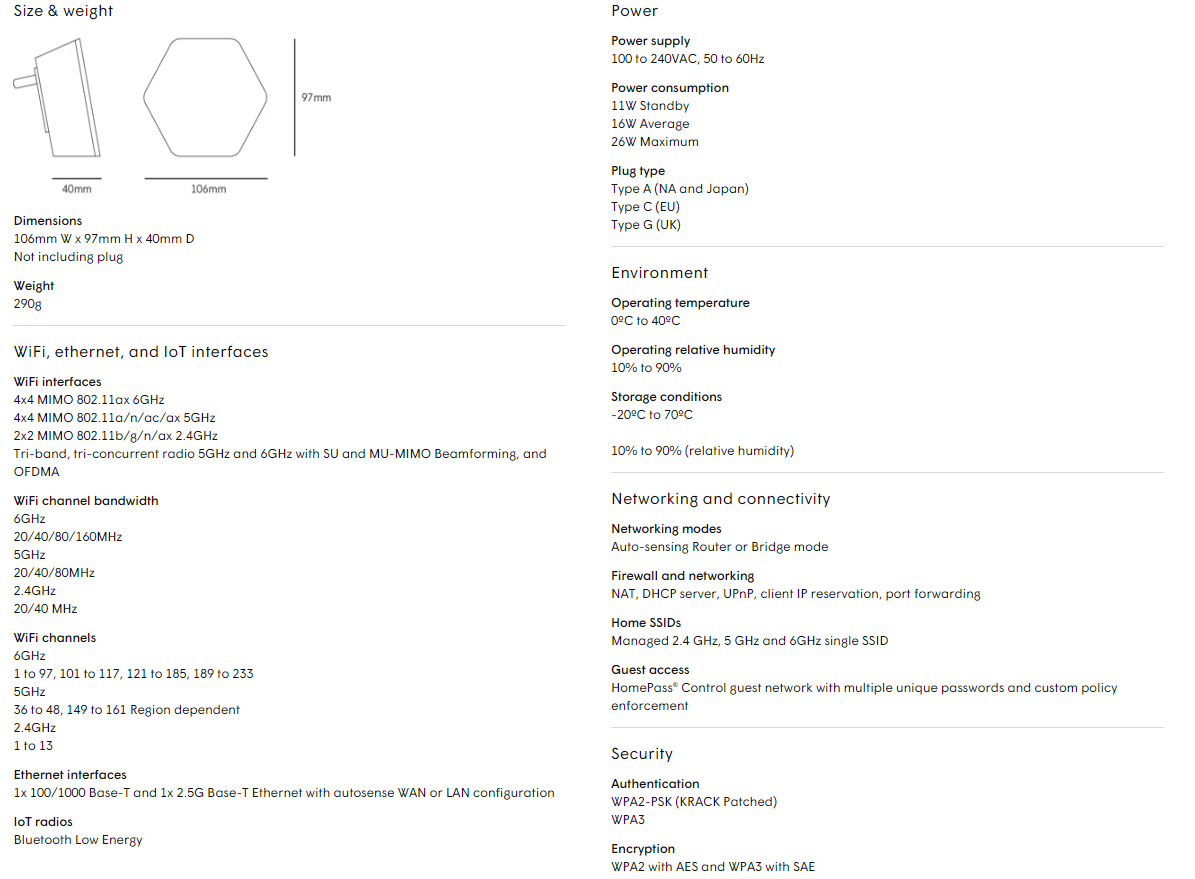
SuperPod with WiFi 6E

Plume SuperPod WiFi 6E Specs

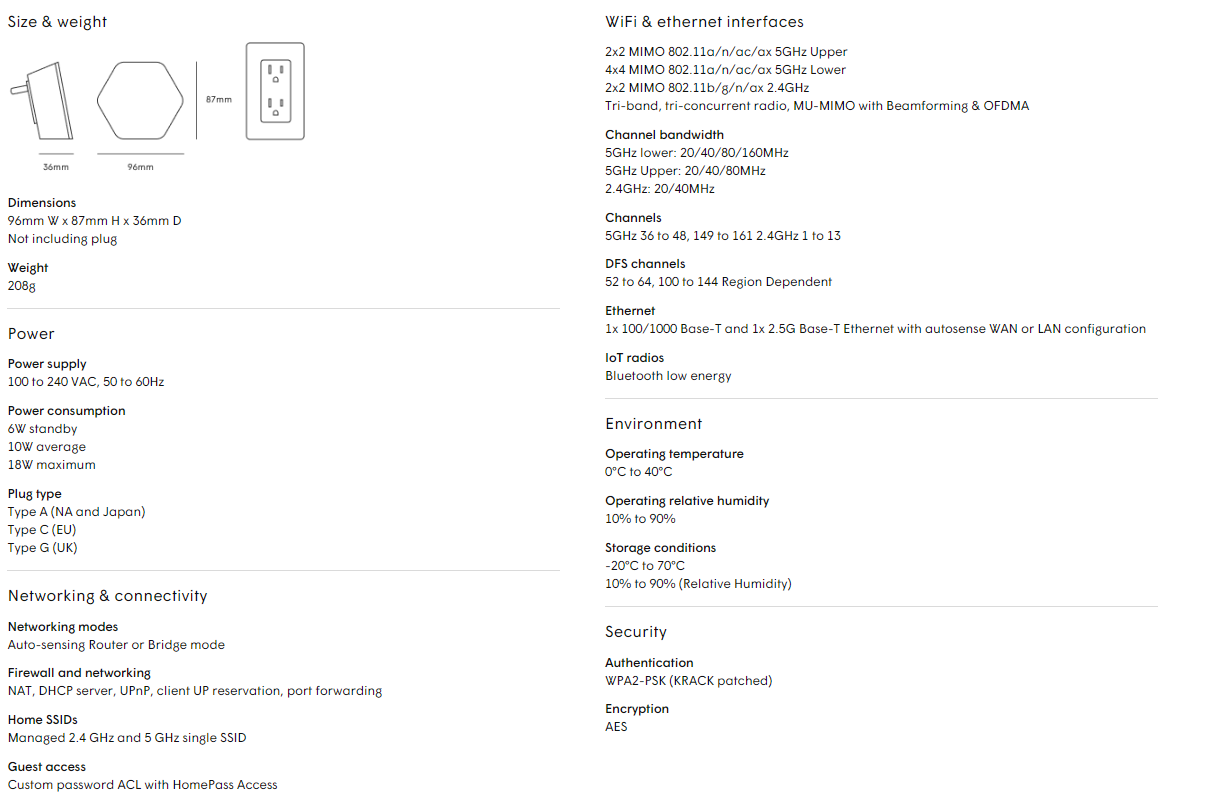
SuperPod with WiFi 6

Plume SuperPod WiFi 6 Specs

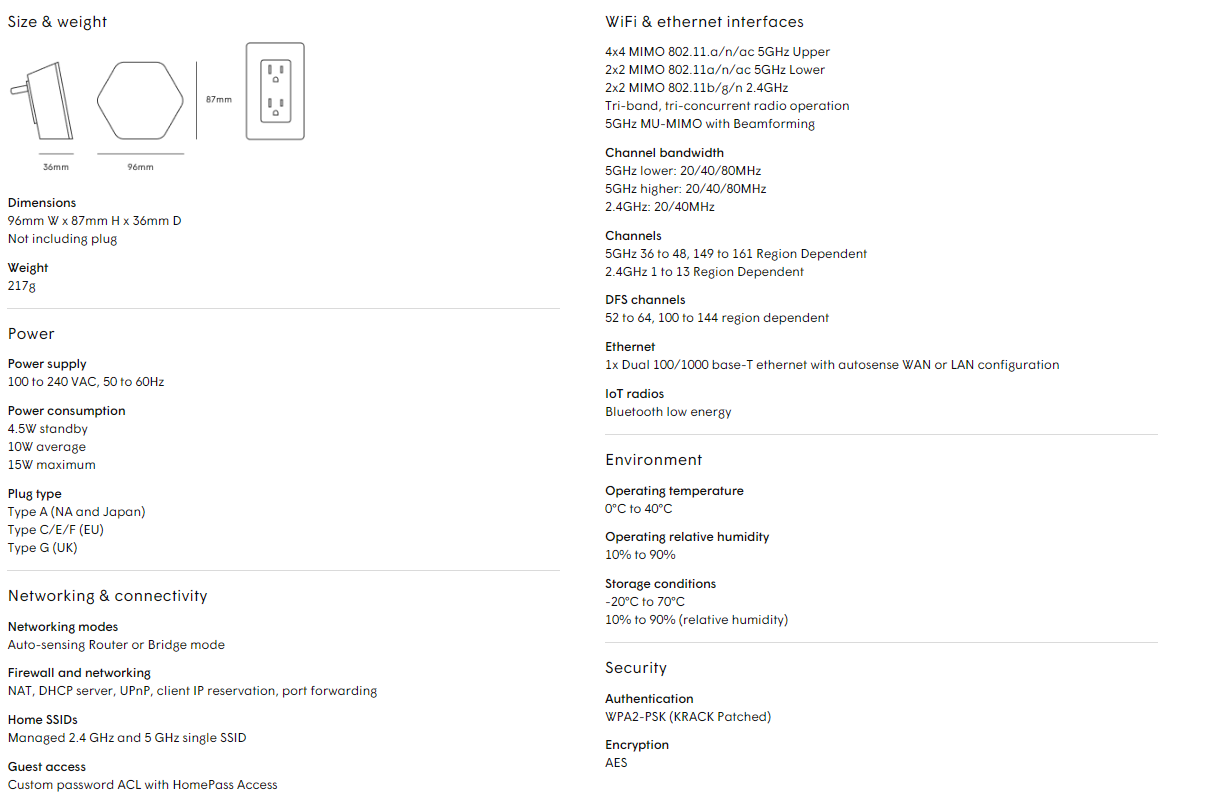
SuperPod

Plume SuperPod Secs