
Zero-Click Malware

Malware Alert Image

What is Zero-Click Malware?

You know to be careful online, but did you know there’s malware that can infect your device without any interaction on your part? This is called zero-click malware.

Traditional malware requires the user to click a link, download a file, or execute a program. It often relies on phishing and social engineering to fool you into taking action.

Zero-click malware exploits vulnerabilities in your operating system (OS) or applications. It uses carefully crafted, undetected code to access and execute a payload automatically, and there’s no trigger. If one is present on the system you’re using, you’ll navigate right into it.

This makes zero-click malware attacks all the more dangerous. After all, they happen without your knowledge or consent. Meanwhile, attackers can use zero-click malware to:

  • Gain access to sensitive data, such as passwords or financial information.
  • Take control of your device.
  • Impersonate you and send out messages on your behalf.
  • Carry out additional attacks.

Understanding Zero-Click Attacks

Zero-click attacks exploit bugs, misconfigurations, or design flaws in an application or OS. They can come in many forms, as attackers:

  • Target email applications and messaging apps such as WhatsApp or iMessage.
  • Build malicious websites.
  • Hack and infect legitimate websites.
  • Exploit vulnerabilities in network protocols or services.

In one well-publicized example, Amazon CEO Jeff Bezos suffered a zero-click attack. A WhatsApp message compromised his texts, instant messages, and potentially even voice recordings.

Another well-known attack targeted the WhatsApp accounts of journalists, activists, and human rights defenders in several countries. The attackers installed the Pegasus spyware on the targeted device simply by placing a phone call to the device, even if the user did not answer the call. The malware could extract messages, photos, contacts, and other sensitive data from the device, as well as activate the device’s camera and microphone to record the user’s surroundings.

How to Protect Against Zero-Click Malware

Protect against zero-click malware by keeping your device’s software up to date. These attacks are often designed to exploit unknown vulnerabilities in software, so enabling automatic updates can help ensure you run the latest, most secure software.

Also, install and use security tools such as antivirus software and firewalls, which help detect and prevent the malware from infecting your device. Be cautious about clicking on links or downloading files from unknown sources.

Further reduce your risk by using strong passwords and two-factor authentication. Plus, limit your device exposure to public Wi-Fi networks and unknown devices.

In case of a zero-click malware or other types of data breach, regularly back up your data, too. Store backups on a separate device that uses strong encryption and on a cloud storage solution. Be sure to read our blog post about the 3-2-2 Backup Rule.  

Not sure about the strength of your online protections? We can help secure your devices. Contact us today to learn more about our security solutions. Call us at 844.CITYNET (844.248.9638. Stay safe online!

Like This Post?

Facebook
X
LinkedIn
Email

More Posts

Blog Spring Clean Image
Checklists

Spring Clean Your Home Office (Inside and Out)

Spring is right around the corner. While you’re planning to declutter closets and organize the garage, don’t forget one of the most important spaces in your home — your office. A cleaner, more organized workspace doesn’t just look better; it also performs better. It can improve focus, boost productivity, reduce stress, and even help your devices perform more efficiently. This

Ticket Scam QR Image
Cybersecurity

You’ve Been Served… a Scam!

Beware of Fake Toll Violation Text Messages Cybercriminals are constantly evolving their tactics to trick people into giving up sensitive information. One of the latest scams circulating involves fake toll violation notices sent by text message. At first glance, the message looks convincing. It claims you have an unpaid traffic toll that must be paid immediately. The text often includes

Blog Cybercrime Calling Image
Cybersecurity

Cybercriminals Are Now Calling Your Employees

Is Your Business Prepared? Cyber threats are evolving, and one of the fastest-growing tactics right now is social engineering through trusted communication platforms. Instead of trying to hack their way in, cybercriminals are increasingly talking their way in. Attackers are impersonating IT staff, executives, vendors, and even coworkers via phone calls and collaboration tools such as Microsoft Teams, Webex, and other messaging

Laptop Typing With Icons Image
Cybersecurity

Shadow IT: The Apps Your Employees Use That IT Doesn’t Know About

When most businesses think about cybersecurity risk, they picture hackers breaking in from the outside. But one of the fastest-growing risks isn’t external at all. It’s happening inside your organization…quietly, unintentionally, and often with good intentions. It’s called Shadow IT. And it’s growing faster than most businesses realize. What Is Shadow IT? Shadow IT refers to any software, app, cloud platform,

Teamwork People Tablet Image
Cybersecurity

The New Employee Is Your Biggest Security Risk

(And It’s Not Their Fault) When businesses think about cybersecurity risk, they often picture hackers, ransomware, or sophisticated phishing attacks. But one of the most common — and overlooked — security risks starts on day one: A new employee. Not because they’re careless.Not because they’re malicious.But because onboarding and offboarding processes often leave dangerous gaps. If those gaps aren’t managed

Umbrella Covering Laptop Cybersecurity Image
Cybersecurity

The New Reality of Cyber Insurance Requirements for Small Businesses

Cyber insurance used to feel like a safety net. Today, it’s starting to feel more like an application for a mortgage. Across the country, insurance providers are tightening requirements, raising premiums, and even denying claims when businesses don’t meet modern cybersecurity standards. Many small and mid-sized organizations are discovering this shift the hard way, during policy renewal or after filing

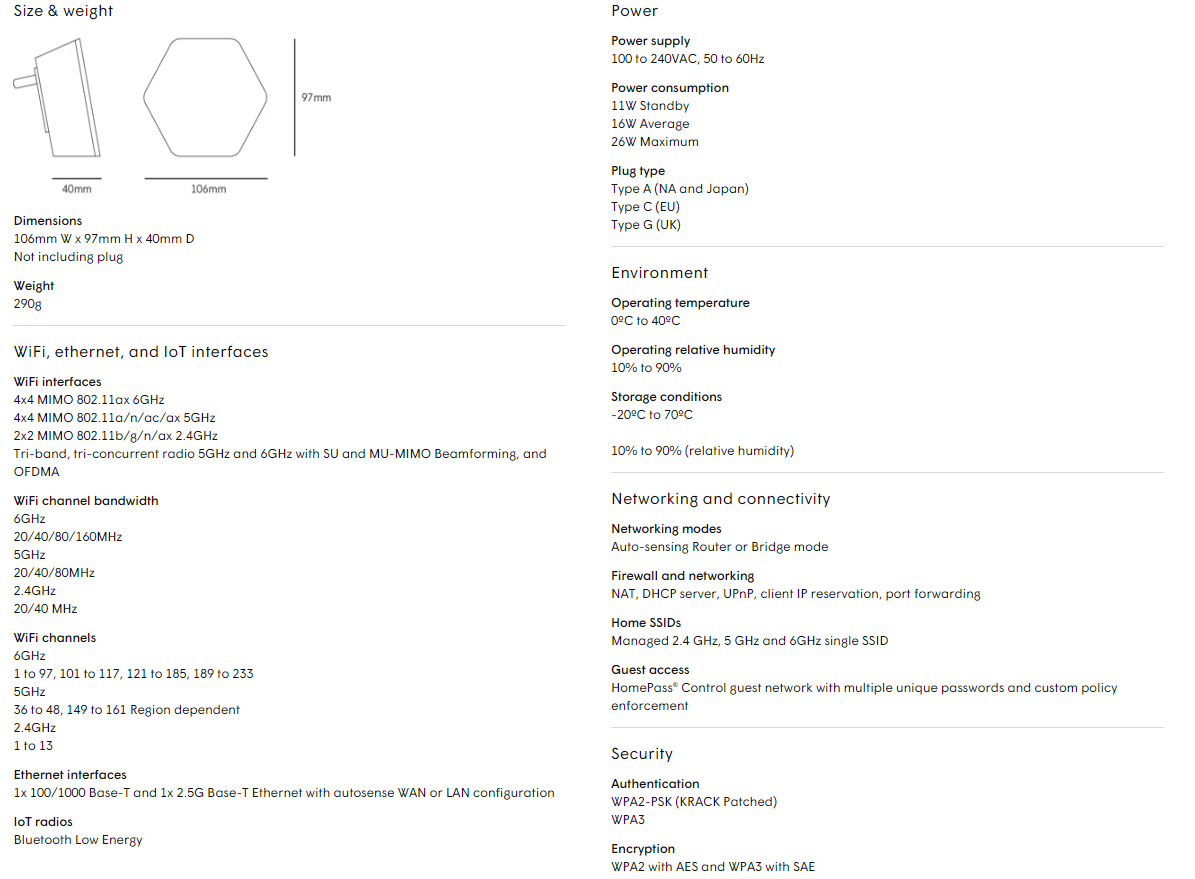
SuperPod with WiFi 6E

Plume SuperPod WiFi 6E Specs

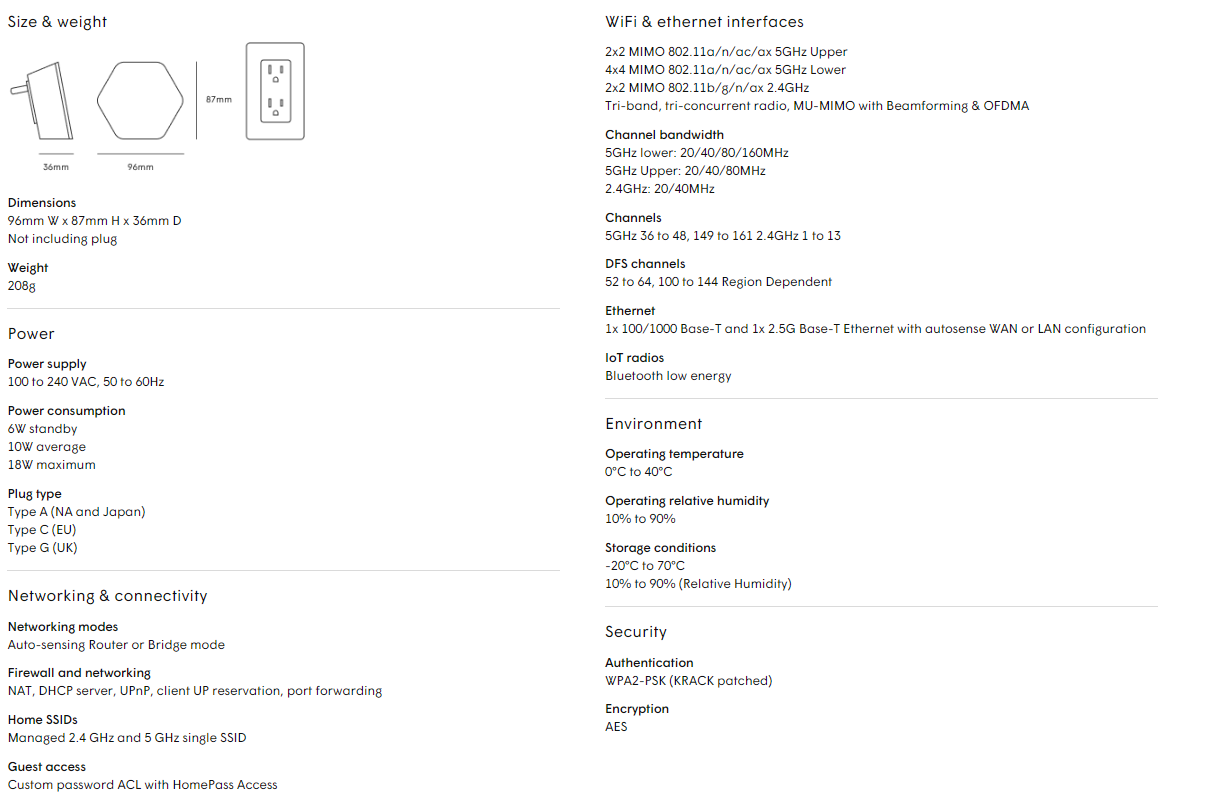
SuperPod with WiFi 6

Plume SuperPod WiFi 6 Specs

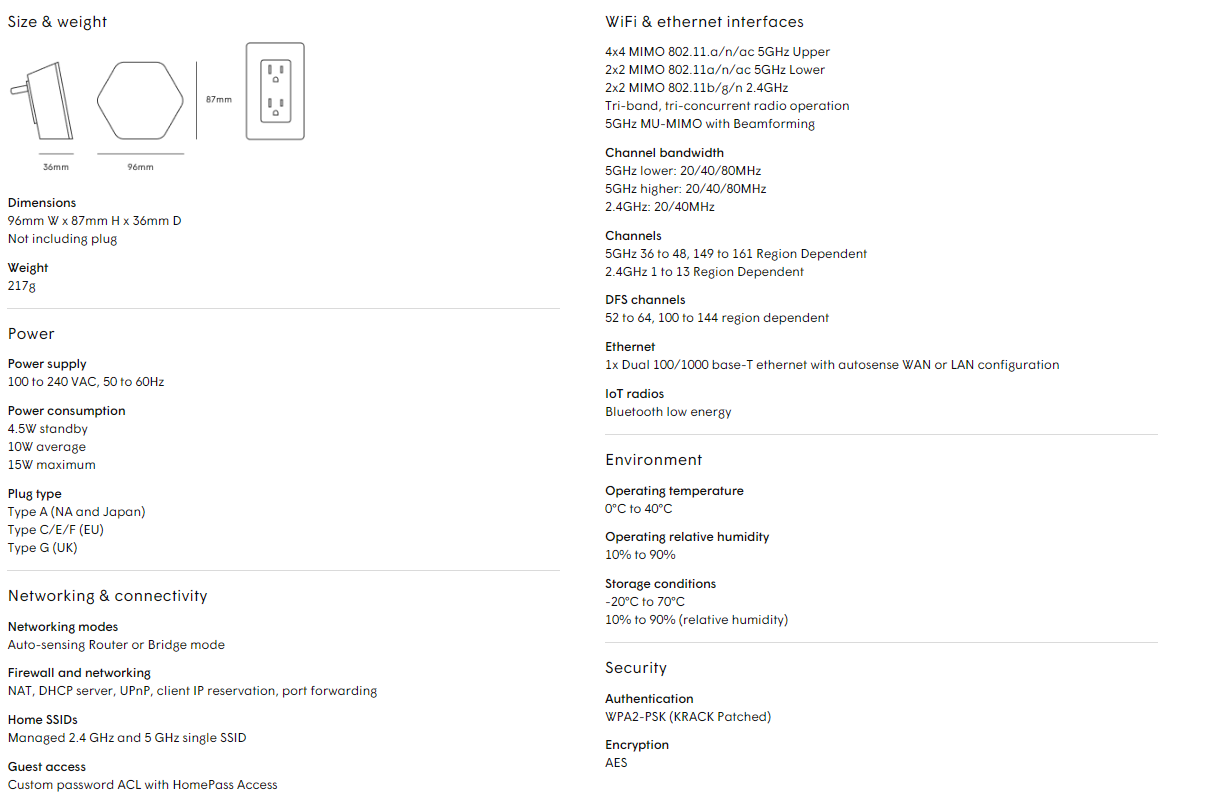
SuperPod

Plume SuperPod Secs