
MFA Prompt Bombing

The Latest Scams

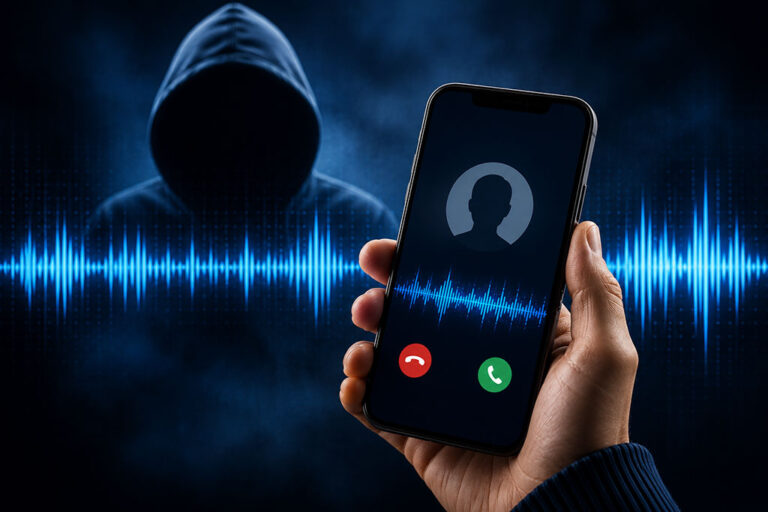
Multi-factor authentication (MFA) provides an extra layer of security for your accounts, but it’s important to think before you click. Cybercriminals can use an attack method called MFA prompt bombing to get around MFA protections and overwhelm you with prompts via email, text message, or phone call.

For example, cybercriminals may attempt to log in to an account using your credentials. Then, they’ll request a phone call MFA verification, which is sent to the phone number you use for MFA. Cybercriminals will often request these verifications late at night when you’re asleep and unprepared. If you accept the phone call and press the button to verify your identity, you may grant the cybercriminals access to your account. Once the cybercriminals bypass your MFA, they can use your account to achieve their malicious goals.

Don’t let MFA give you a false sense of security. Follow the tips below to stay safe from MFA prompt bombing scams:

  • Never approve an MFA notification you didn’t request. If you have a shared account, verify the MFA request with the other account holder before taking action.
  • If you receive an MFA notification you didn’t request, immediately change your password for the associated account. You should also consider updating your passwords for any accounts that use the same credentials.
  • Create unique, strong passwords for each of your accounts. Without your password, it’s difficult for cybercriminals to reach the MFA step of the login process.

Stop, Look, and Think. Don’t be fooled.

Protect your network! Learn more about security awareness training for your team.

Like This Post?

Facebook
X
LinkedIn
Email

More Posts

Cybersecurity Hacker Hoodie Image
Cybersecurity

How Long Attackers Stay in a Network Before They’re Discovered

When people imagine a cyberattack, they often picture a dramatic event — systems suddenly shutting down or files becoming encrypted. But many cyber incidents don’t unfold that way. In many cases, attackers quietly gain access to a network and remain there for weeks or even months before being discovered. This period is known as “dwell time.” During this time, attackers

Cybersecurity Alert Critical Image
Cybersecurity

5 Critical Mistakes to Avoid During a Cyberattack

Think your business may already be compromised? See the warning signs and response steps here Even well-intentioned actions can make a cyber incident worse Cyberattacks often unfold quickly, and the wrong response in the first few minutes can make an incident far more difficult to contain and investigate. When a cyber incident occurs, the natural reaction is to act quickly

Man Laptop Cybersecurity
Cybersecurity

How Most Cyberattacks Actually Start

It’s usually not a sophisticated hack — it’s a moment of trust. Many organizations imagine cyberattacks as highly technical breaches targeting servers or networks. In reality, most cyber incidents begin with something much simpler – a human mistake or a moment of misplaced trust. Cybercriminals increasingly focus on manipulating employees rather than breaking through technical defenses. Here are some of

Power Outages Image
Checklists

Protecting Devices Before the Next Storm

Stay Connected When the Power Goes Out High winds, heavy rain, lightning, ice, and even wildfires can knock out power in an instant. And when the power goes down, your internet connection usually goes with it. But what happens after the storm – when power is restored, and your devices don’t come back online? Power surges during outages and restoration

Blog Spring Clean Image
Checklists

Spring Clean Your Home Office (Inside and Out)

Spring is right around the corner. While you’re planning to declutter closets and organize the garage, don’t forget one of the most important spaces in your home — your office. A cleaner, more organized workspace doesn’t just look better; it also performs better. It can improve focus, boost productivity, reduce stress, and even help your devices perform more efficiently. This

Ticket Scam QR Image
Cybersecurity

You’ve Been Served… a Scam!

Beware of Fake Toll Violation Text Messages Cybercriminals are constantly evolving their tactics to trick people into giving up sensitive information. One of the latest scams circulating involves fake toll violation notices sent by text message. At first glance, the message looks convincing. It claims you have an unpaid traffic toll that must be paid immediately. The text often includes

SuperPod with WiFi 6E

Plume SuperPod WiFi 6E Specs

SuperPod with WiFi 6

Plume SuperPod WiFi 6 Specs

SuperPod

Plume SuperPod Secs