Password Management

Password Generation Image

Did you know that the average person uses the same three to seven passwords to log in to over 170 online accounts? In addition to being reused, these passwords are often weak and can be easily guessed by cybercriminals. If cybercriminals guess these passwords, they could access most of their victim’s online accounts, creating security issues for them and their company. Even worse, the victim may not know that their password has been compromised for several months or years.

By now, you have likely heard the basic elements of good password hygiene:

Creating Strong Passwords & Best Practices

  • Your passwords should be as long, complex, and random as possible.
  • Your password should be at least 12 characters long and include a combination of lowercase and uppercase letters, numbers, and symbols. You can also use password phrases or passphrases.
  • Ensure you don’t use any personal information that a cybercriminal could guess.
  • Don’t write down passwords or PINs, and make sure not to share them.
  • Shield your keyboard or keypad when logging in.
  • Avoid saving passwords in your browser. Instead, consider a password manager, such as LastPass, to manage all those unique logins.
  • And never, ever reuse a password! Creating a unique password for each online account reduces the risk if one of your passwords is compromised.
  • Don’t write down passwords or PINs, and make sure not to share them.
  • Shield your keyboard or keypad when logging in.

The best advice? Use a password manager, such as LastPass, to make password management easy while seriously increasing your digital security. Here’s why:

  • It securely stores all your passwords and allows for management and access to passwords across all devices and all browsers.
  • Only need to remember one password – for the password manager.
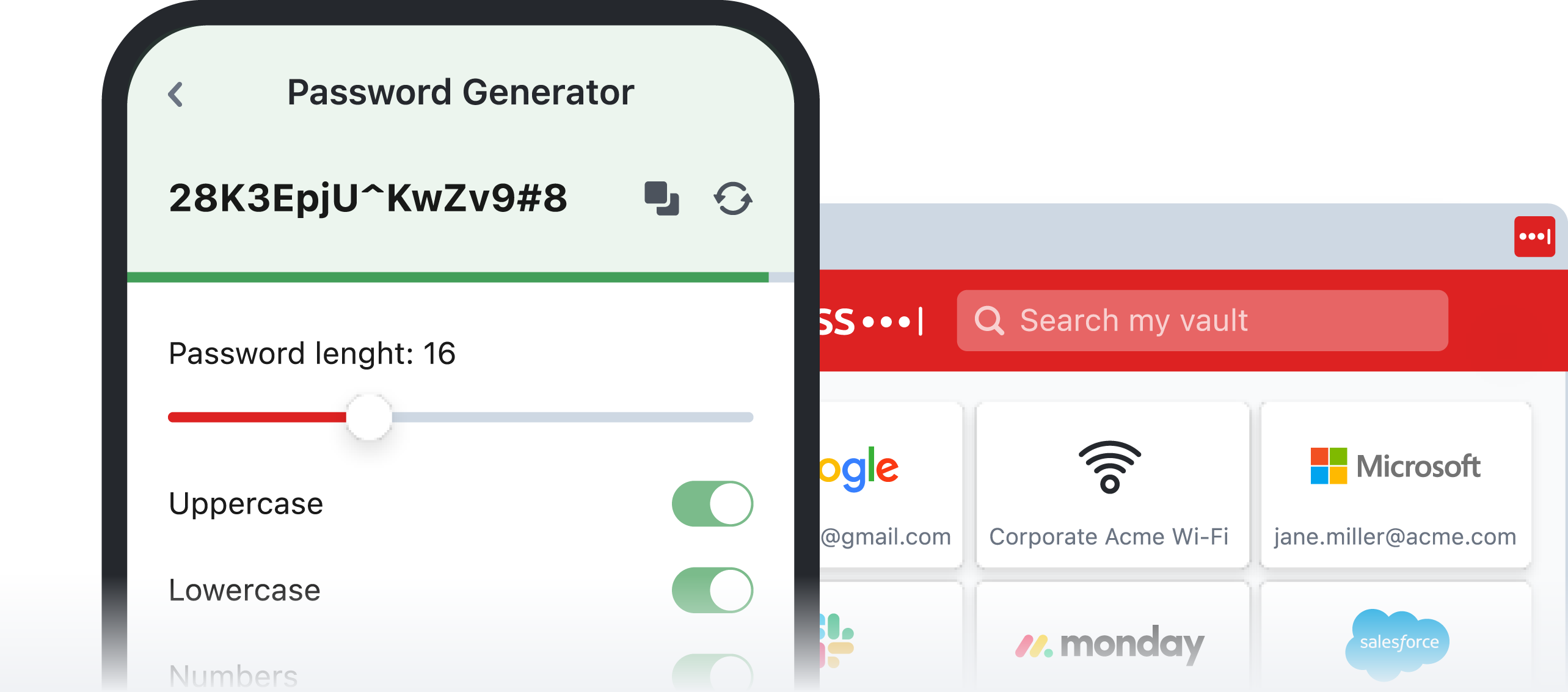
  • It can generate secure passwords based on specific criteria.
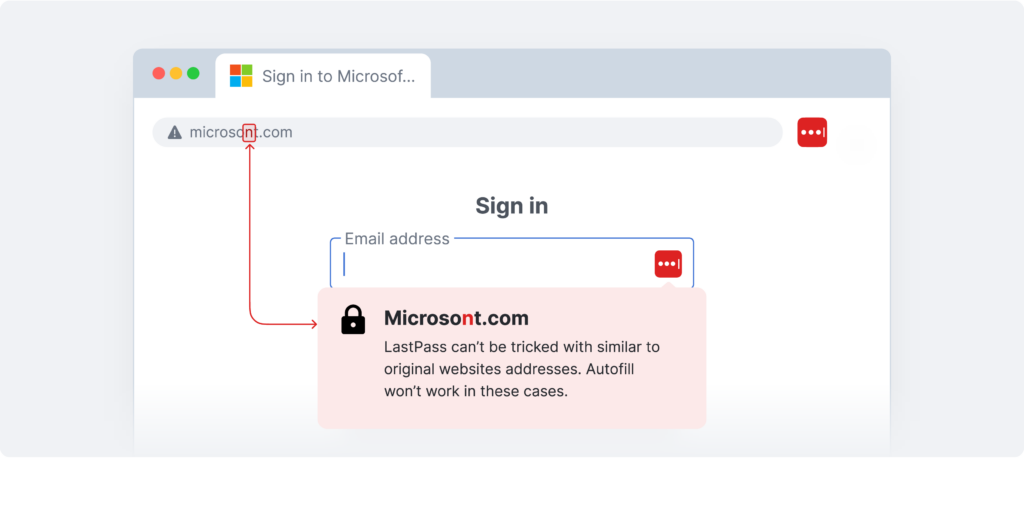
  • Won’t allow you to autofill credentials on scam or mirror websites (see image below)
Remember To:

Enable Multifactor-Authentication

While a strong password protects an account, there’s still a chance that a hacker could access it by force. Additional layers of authentication provide extra roadblocks to protect your business; without them, your cybersecurity is inadequate.

The LastPass Authenticator allows your business to employ MFA while letting employees go password-less, making your cybersecurity much more robust and increasing employees’ user experience.

Recognize and Report Phishing Attacks

Phishing, smishing (text or SMS), and vishing (voice call) attacks are getting increasingly sophisticated and harder to recognize – until after your data has been stolen.

Educate employees on the essentials: double-check a sender’s email address, look for poorly written or misspelled email copy, never accept MFA requests they didn’t initiate, and report suspicious emails to IT. 

Password managers like LastPass won’t allow you to autofill credentials on scam or mirror websites.


Take control of your security!

LastPass Business gives admins granular control over cybersecurity habits with customizable security policies, employee password health monitoring, and much more.

Get a Free Trial of LastPass for Business. Contact Citynet today!

Like This Post?

Facebook
X
LinkedIn
Pinterest

More Posts

Ticket Scam QR Image
Cybersecurity

You’ve Been Served… a Scam!

Beware of Fake Toll Violation Text Messages Cybercriminals are constantly evolving their tactics to trick people into giving up sensitive information. One of the latest scams circulating involves fake toll violation notices sent by text message. At first glance, the message looks convincing. It claims you have an unpaid traffic toll that must be paid immediately. The text often includes

Blog Cybercrime Calling Image
Cybersecurity

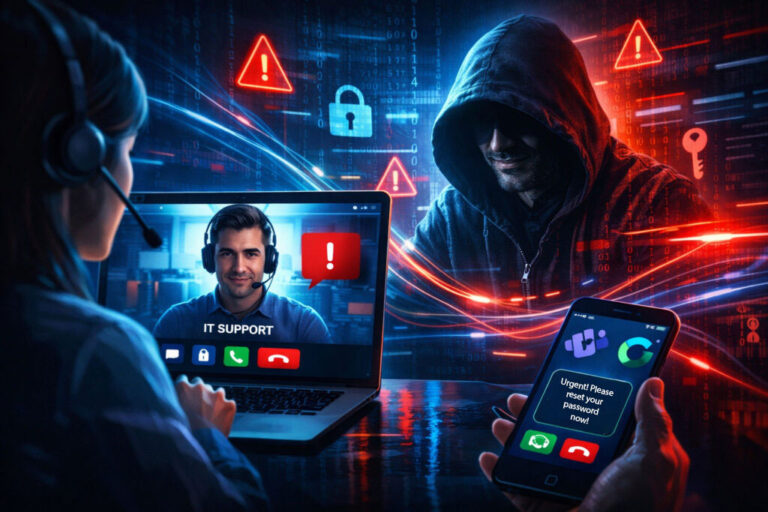
Cybercriminals Are Now Calling Your Employees

Is Your Business Prepared? Cyber threats are evolving, and one of the fastest-growing tactics right now is social engineering through trusted communication platforms. Instead of trying to hack their way in, cybercriminals are increasingly talking their way in. Attackers are impersonating IT staff, executives, vendors, and even coworkers via phone calls and collaboration tools such as Microsoft Teams, Webex, and other messaging

Laptop Typing With Icons Image
Cybersecurity

Shadow IT: The Apps Your Employees Use That IT Doesn’t Know About

When most businesses think about cybersecurity risk, they picture hackers breaking in from the outside. But one of the fastest-growing risks isn’t external at all. It’s happening inside your organization…quietly, unintentionally, and often with good intentions. It’s called Shadow IT. And it’s growing faster than most businesses realize. What Is Shadow IT? Shadow IT refers to any software, app, cloud platform,

Teamwork People Tablet Image
Cybersecurity

The New Employee Is Your Biggest Security Risk

(And It’s Not Their Fault) When businesses think about cybersecurity risk, they often picture hackers, ransomware, or sophisticated phishing attacks. But one of the most common — and overlooked — security risks starts on day one: A new employee. Not because they’re careless.Not because they’re malicious.But because onboarding and offboarding processes often leave dangerous gaps. If those gaps aren’t managed

Umbrella Covering Laptop Cybersecurity Image
Cybersecurity

The New Reality of Cyber Insurance Requirements for Small Businesses

Cyber insurance used to feel like a safety net. Today, it’s starting to feel more like an application for a mortgage. Across the country, insurance providers are tightening requirements, raising premiums, and even denying claims when businesses don’t meet modern cybersecurity standards. Many small and mid-sized organizations are discovering this shift the hard way, during policy renewal or after filing

Citynet Red Siege Webinar Post Image
Cybersecurity

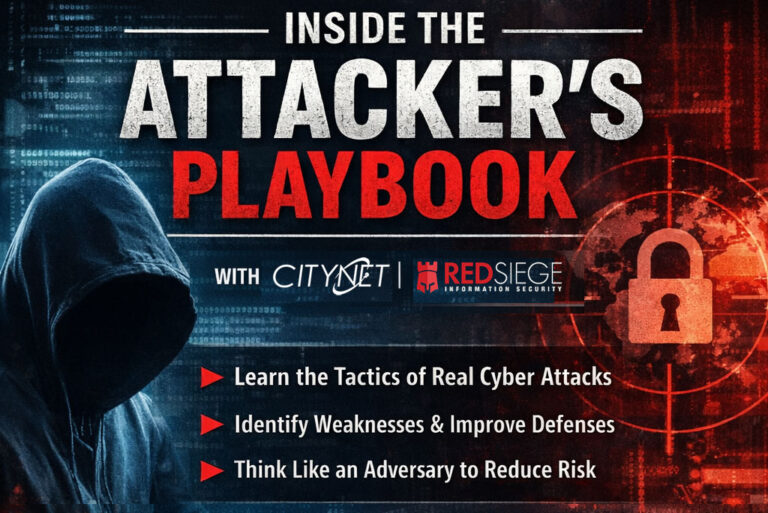
Citynet and Red Siege Webinar Inside the Attacker’s Playbook

Cybersecurity isn’t just about defense — it’s about understanding how real attackers think. Join Citynet’s Craig Behr and Red Siege’s Tim Medin for an upcoming webinar, Inside the Attacker’s Playbook, where we’ll break down how real-world offensive operations uncover gaps — and how organizations can use those insights to reduce cyber risk before it becomes a business problem. Play Video

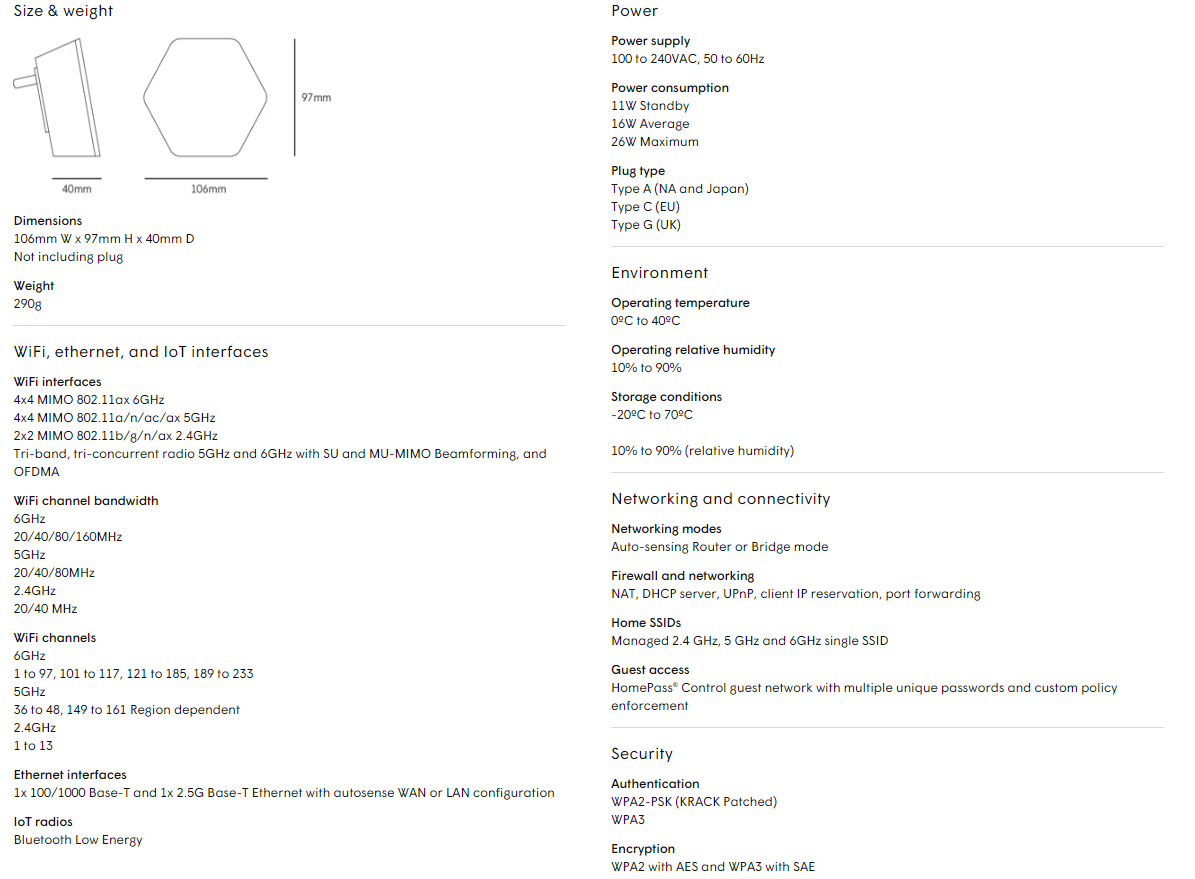
SuperPod with WiFi 6E

Plume SuperPod WiFi 6E Specs

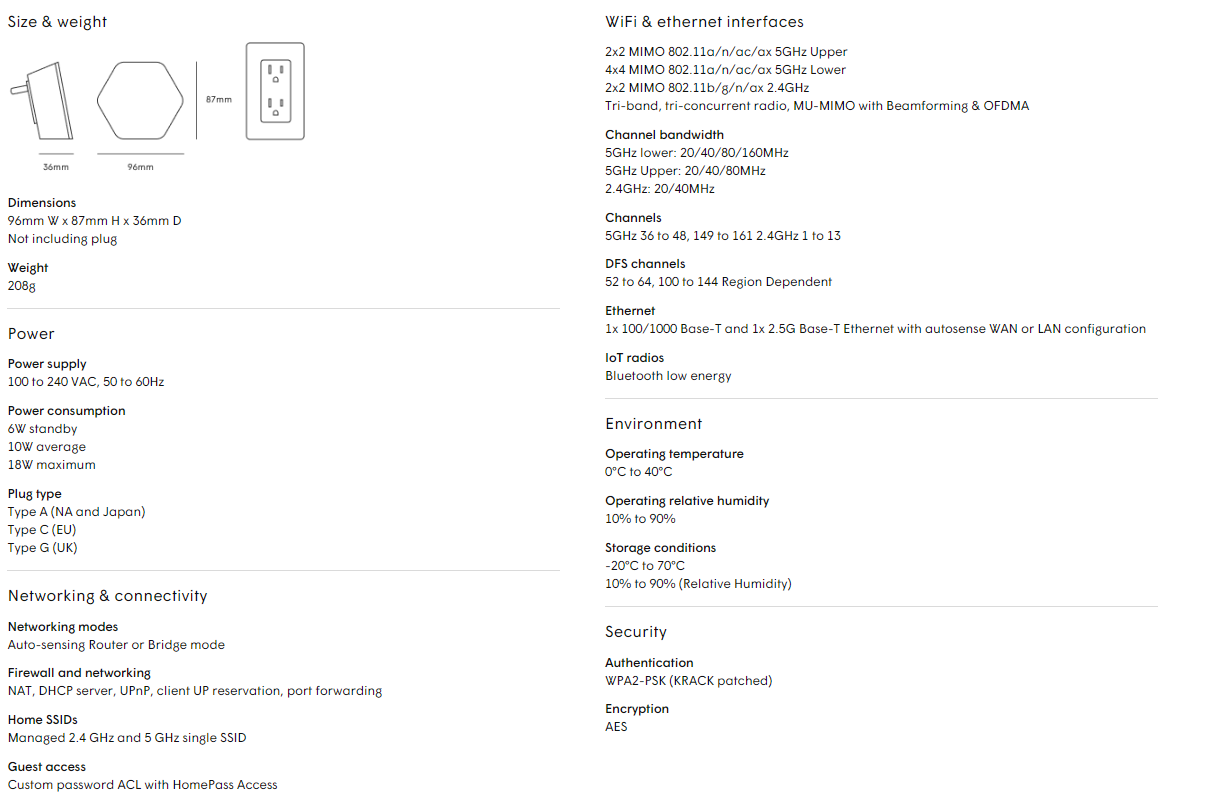
SuperPod with WiFi 6

Plume SuperPod WiFi 6 Specs

SuperPod

Plume SuperPod Secs