Protect Yourself Against Card Skimmers

ATM Machine Image

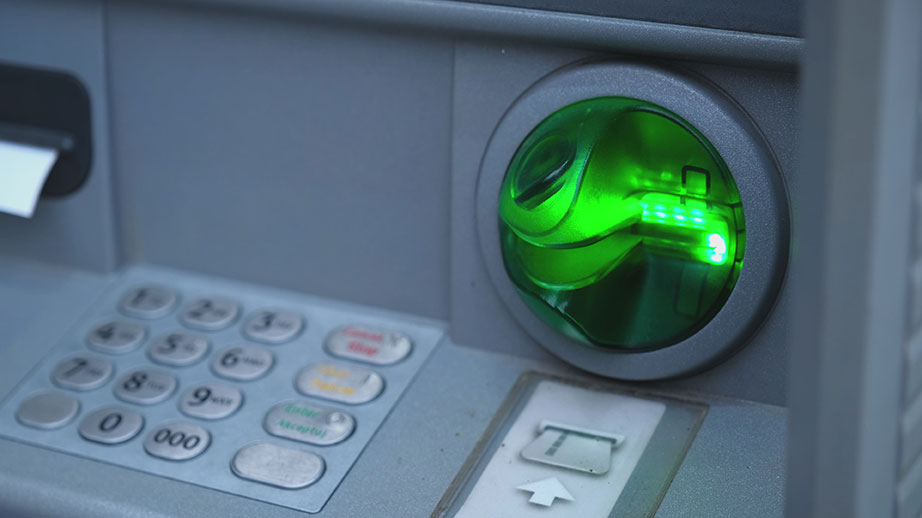
Using your credit card at a gas station pump or drive-up ATM is quick and convenient. However, despite retailers following Payment Card Industry (PCI) standards to protect your information, cybercriminals are finding ways to steal your information. Cybercriminals are using technology called “card skimmers” to read and record your card information in a matter of seconds. Although retailers regularly check for card skimmers, learning how to protect yourself at gas station pumps and ATMs should be a priority now more than ever.

How Do They Work?

Card skimmers are physical devices that cybercriminals attach to the credit card reader of an ATM or gas pump. The card skimmer then reads the magnetic strip on the card to gather your full name, the card number, and the expiration date. Once the skimmer reads your card information, the cybercriminals can then sell your information or use it to gain access to your bank account. These skimmers are designed to fit tightly over the real card reader at the gas station and ATM, making them undetectable if you don’t know what to look for.

How To Avoid Card Skimmers?

To protect yourself against card skimmers, follow these helpful tips:

  • Shake and pull the card reader. If the card reader is loose or looks tampered with, pay inside and report it.
  • Go inside. Paying inside of the gas station or going into the bank will reduce the risk of coming in contact with a card skimmer since it is less likely that the card readers inside have been tampered with.
  • Use mobile payment options if they are available. Use options like Google or Apple Pay to eliminate having to use your card.
  • Download a Skimmer Scanner app. These apps, which are available on both the App Store and Google Play, will warn you about where card skimmers are located in the area.

Pay with cash. Paying with cash will completely eliminate the risk of coming in contact with a card skimmer.



Knowbe4 Logo

Stop, Look, and Think. Don’t be fooled.

Like This Post?

Facebook
X
LinkedIn
Email

More Posts

Fake Permitting Scam Image
The Latest Scams

Scammers Are Targeting Home Projects—Here’s What to Watch

If you’re building, renovating, or improving your home, there’s a new scam you need to watch for—and it’s catching people at exactly the wrong time. How the Scam Works You receive an email that appears to come from a local government office—maybe your city, county, or permitting department. The message claims there’s an issue with your project and that you

Hand Remote Control Image
Fiber

Stop the Buffer: How to Get the Most from Your Streaming Experience

There’s nothing more frustrating than getting to the final seconds of a close game—only to see the spinning buffering wheel right before the winning shot. While buffering is often blamed on slow internet, that’s not always the case—especially if you’re already connected to Citynet Fiber. Your streaming device, settings, and even your home network setup can all impact performance. Here’s

Photography Tips Image
Technology

Phone Photography Tips: Take Better Photos This Spring

Capture Spring Like a Pro — With Just Your Phone Spring is one of the most photogenic times of year—blooming flowers, longer golden-hour light, and weekends filled with moments worth remembering. The best part?You don’t need a $3,000 camera or professional training to capture it all. The phone in your pocket is more powerful than most people realize. With just

Cybersecurity Hacker Hoodie Image
Cybersecurity

How Long Attackers Stay in a Network Before They’re Discovered

When people imagine a cyberattack, they often picture a dramatic event — systems suddenly shutting down or files becoming encrypted. But many cyber incidents don’t unfold that way. In many cases, attackers quietly gain access to a network and remain there for weeks or even months before being discovered. This period is known as “dwell time.” During this time, attackers

Cybersecurity Alert Critical Image
Cybersecurity

5 Critical Mistakes to Avoid During a Cyberattack

Think your business may already be compromised? See the warning signs and response steps here Even well-intentioned actions can make a cyber incident worse Cyberattacks often unfold quickly, and the wrong response in the first few minutes can make an incident far more difficult to contain and investigate. When a cyber incident occurs, the natural reaction is to act quickly

Man Laptop Cybersecurity
Cybersecurity

How Most Cyberattacks Actually Start

It’s usually not a sophisticated hack — it’s a moment of trust. Many organizations imagine cyberattacks as highly technical breaches targeting servers or networks. In reality, most cyber incidents begin with something much simpler – a human mistake or a moment of misplaced trust. Cybercriminals increasingly focus on manipulating employees rather than breaking through technical defenses. Here are some of

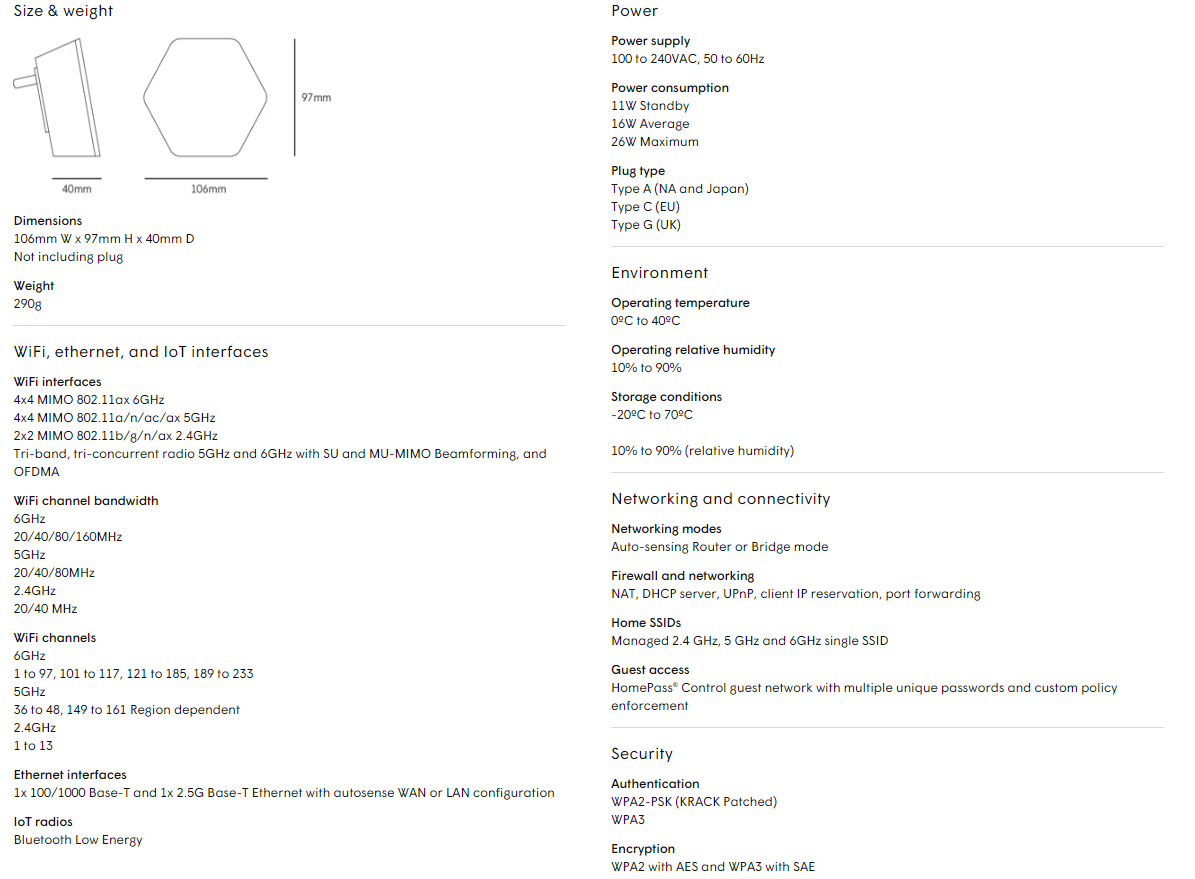
SuperPod with WiFi 6E

Plume SuperPod WiFi 6E Specs

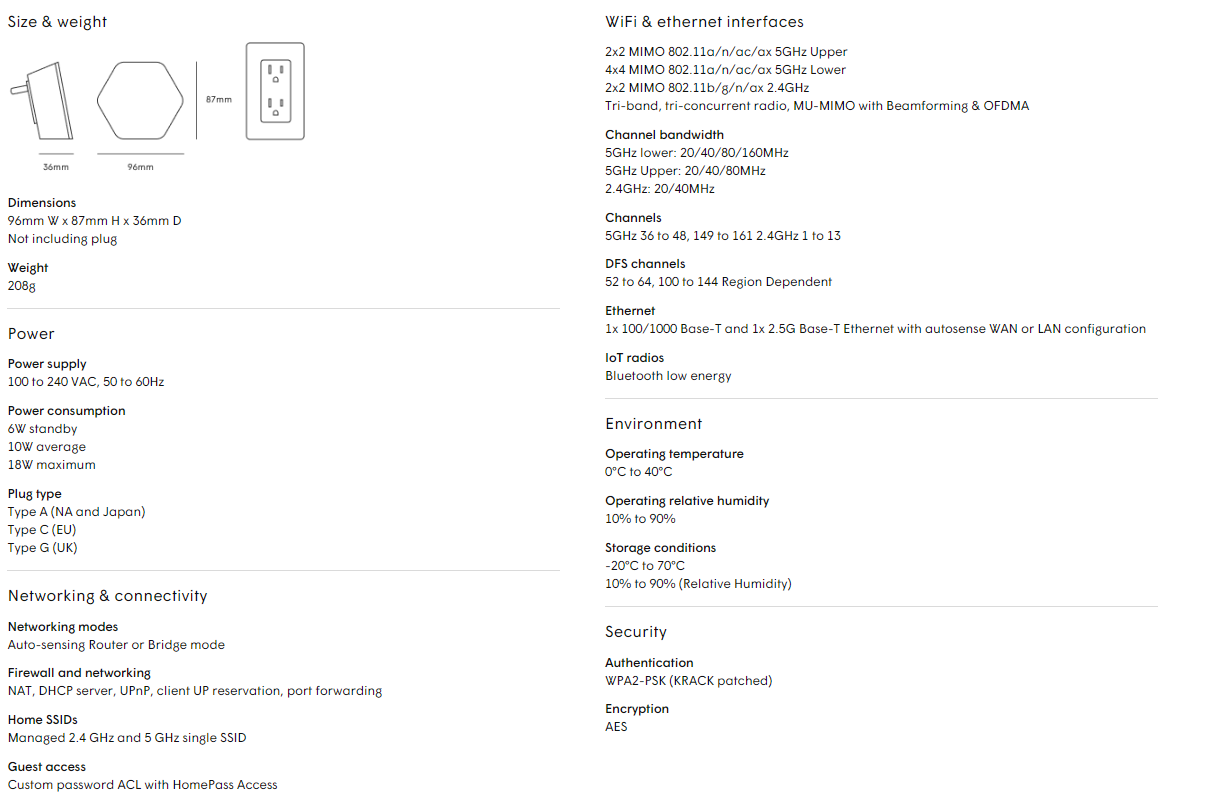
SuperPod with WiFi 6

Plume SuperPod WiFi 6 Specs

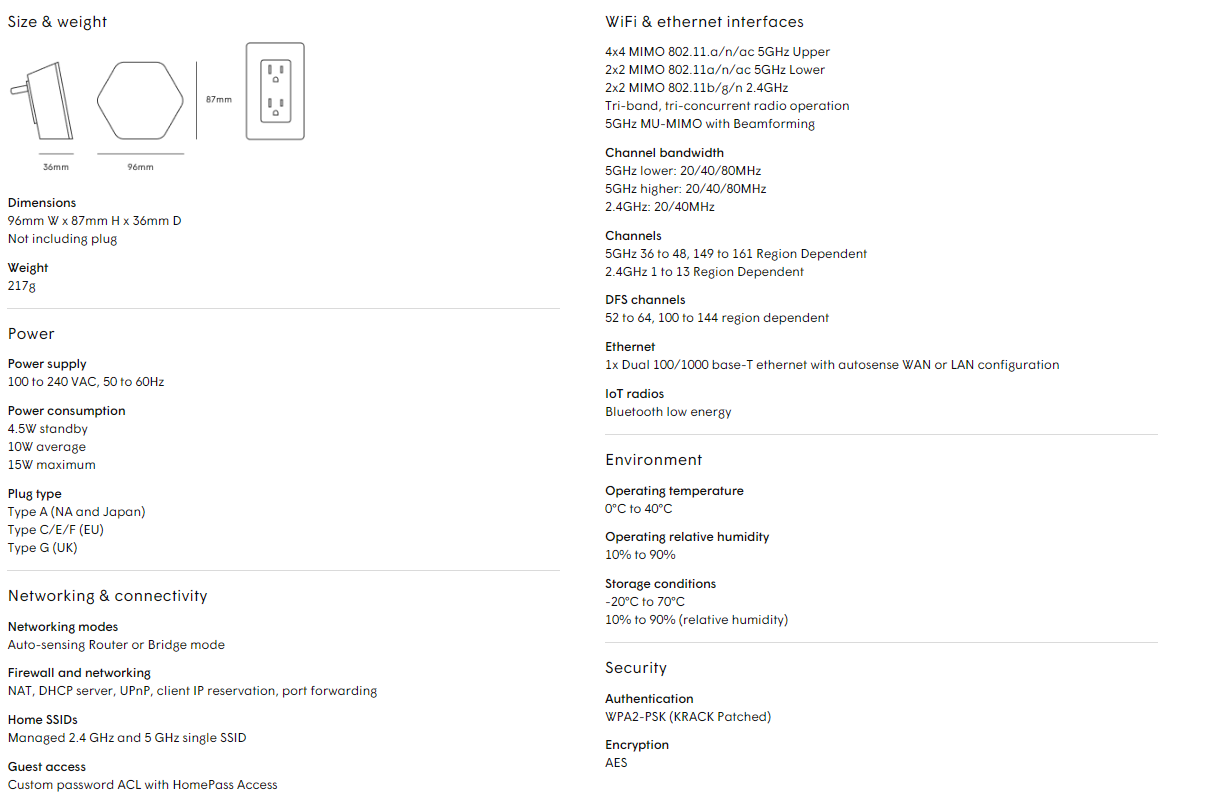
SuperPod

Plume SuperPod Secs