Web Trackers Collect Much More Info About Your Users’ Browsing Activity Than Previously Believed

Web Trackers

From our partner, KnowBe4

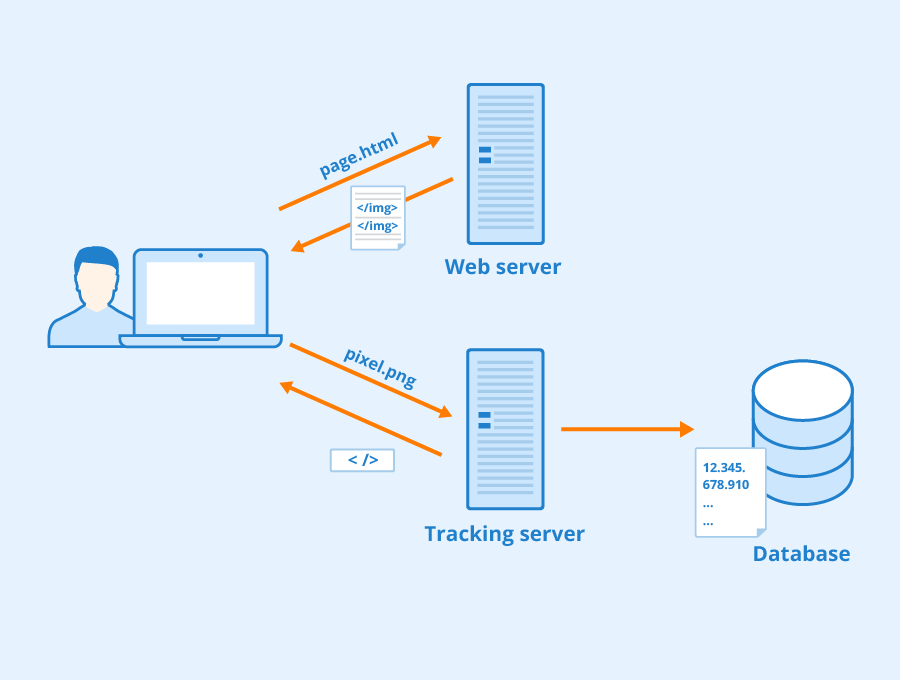
Researchers at Norton LifeLock have found that web trackers are collecting much more information about users’ browsing activity than had previously been believed. Such trackers can follow users around much of the Internet in order to build a profile about them. The profiles are usually compiled for advertising purposes.

“It’s common knowledge that web trackers know an astonishing amount of information about you,” the researchers write. “Our new research discovered that sometimes they know as much as twice what was previously found. And even if you delete your browser’s data history, they can reconstruct your ‘data identity’ within hours.”

While web trackers aren’t inherently malicious, users should be aware of how much of their information is being collected. If a company that holds this information is breached, attackers can easily use the data to launch large-scale social engineering attacks.

Norton LifeLock offers the following findings:

  • “Top Trackers: Our study reveals that top trackers can see 73% of an average user’s browsing history despite appearing on a smaller number of unique domains.  
  • “The power of sharing: We also estimate how much additional knowledge organizations can gain if they cooperate. Two organizations would see a 5% bump if they shared data; more than two organizations cooperating could push that number up to 50%.
  • “Getting to know you — quickly: Consumers encounter, on average, 177 tracking organizations in one week, they will encounter half of those trackers in the first two hours of browsing. In other words, if the user were to start over with a fresh browser, it would only take two hours on average to re-encounter 50% of all trackers.”
  • People need to know that much of their online information is public, that scammers and spies can use this information in targeted phishing attacks, and that phishing and other forms of social engineering are threats to organizations as well as individuals. New-school security awareness training can give your employees a healthy sense of suspicion so they can avoid falling for social engineering attacks.

Norton LifeLock has the story.


Learn more about the latest scams right here and be sure to contact Citynet for a free demo!

Like This Post?

Facebook
X
LinkedIn
Email

More Posts

Hand Remote Control Image
Fiber

Stop the Buffer: How to Get the Most from Your Streaming Experience

There’s nothing more frustrating than getting to the final seconds of a close game—only to see the spinning buffering wheel right before the winning shot. While buffering is often blamed on slow internet, that’s not always the case—especially if you’re already connected to Citynet Fiber. Your streaming device, settings, and even your home network setup can all impact performance. Here’s

Photography Tips Image
Technology

Phone Photography Tips: Take Better Photos This Spring

Capture Spring Like a Pro — With Just Your Phone Spring is one of the most photogenic times of year—blooming flowers, longer golden-hour light, and weekends filled with moments worth remembering. The best part?You don’t need a $3,000 camera or professional training to capture it all. The phone in your pocket is more powerful than most people realize. With just

Cybersecurity Hacker Hoodie Image
Cybersecurity

How Long Attackers Stay in a Network Before They’re Discovered

When people imagine a cyberattack, they often picture a dramatic event — systems suddenly shutting down or files becoming encrypted. But many cyber incidents don’t unfold that way. In many cases, attackers quietly gain access to a network and remain there for weeks or even months before being discovered. This period is known as “dwell time.” During this time, attackers

Cybersecurity Alert Critical Image
Cybersecurity

5 Critical Mistakes to Avoid During a Cyberattack

Think your business may already be compromised? See the warning signs and response steps here Even well-intentioned actions can make a cyber incident worse Cyberattacks often unfold quickly, and the wrong response in the first few minutes can make an incident far more difficult to contain and investigate. When a cyber incident occurs, the natural reaction is to act quickly

Man Laptop Cybersecurity
Cybersecurity

How Most Cyberattacks Actually Start

It’s usually not a sophisticated hack — it’s a moment of trust. Many organizations imagine cyberattacks as highly technical breaches targeting servers or networks. In reality, most cyber incidents begin with something much simpler – a human mistake or a moment of misplaced trust. Cybercriminals increasingly focus on manipulating employees rather than breaking through technical defenses. Here are some of

Power Outages Image
Checklists

Protecting Devices Before the Next Storm

Stay Connected When the Power Goes Out High winds, heavy rain, lightning, ice, and even wildfires can knock out power in an instant. And when the power goes down, your internet connection usually goes with it. But what happens after the storm – when power is restored, and your devices don’t come back online? Power surges during outages and restoration

SuperPod with WiFi 6E

Plume SuperPod WiFi 6E Specs

SuperPod with WiFi 6

Plume SuperPod WiFi 6 Specs

SuperPod

Plume SuperPod Secs