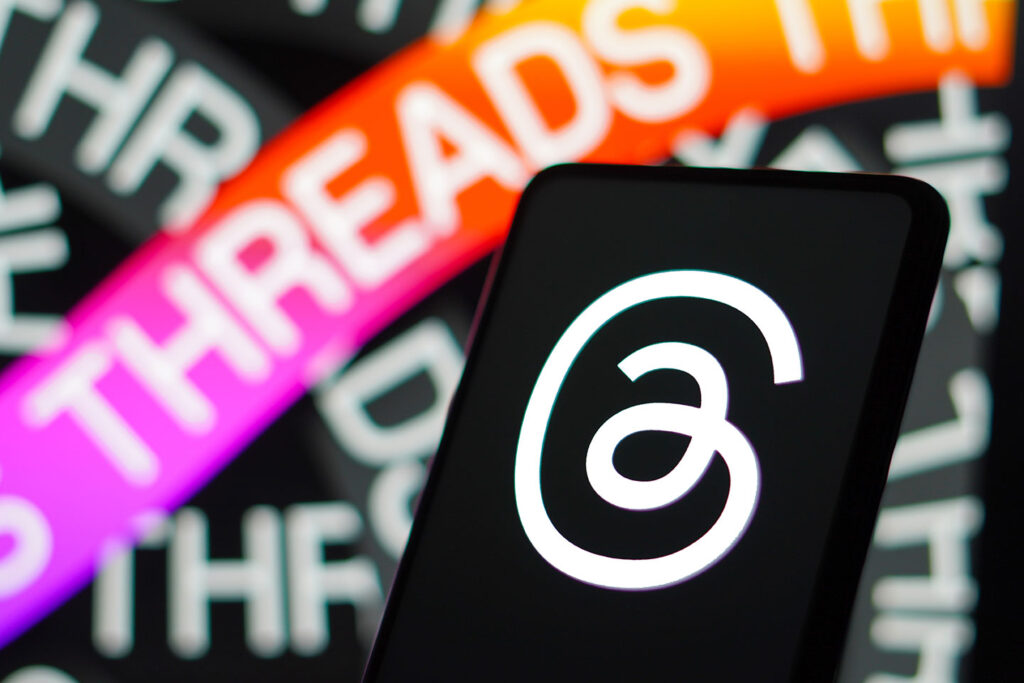
The Threads app, a new text-based social networking app from Meta, has been gaining popularity in recent months. This has made it a target for cybercriminals, who are sending out phishing emails and creating fake websites that look like the official Threads app.
If you receive an email or see an ad that prompts you to download the Threads app, be careful. There is a good chance that it is a phishing scam. Here are some tips to help you spot these scams:
- Only download apps from trusted publishers. Anyone can publish an app on official app stores or sites, including cybercriminals. Make sure to only download apps from publishers that you trust.
- Before you click a link, always hover your mouse over it. This will show you the full URL of the website that the link is pointing to. If the URL looks suspicious, don’t click on it.
- Keep your devices up to date. Software updates often include security patches to protect you against known vulnerabilities.
If you think you have been phished, there are a few things you can do:
- Change your passwords immediately. This includes your passwords for your email, social media accounts, and any other online accounts that you use.
- Scan your computer for malware. There are many free antivirus and anti-malware programs available. Use one of these programs to scan your computer for any malicious software that may have been installed.
- Report the phishing scam to the authorities. You can do this by filing a report with the Federal Trade Commission (FTC).
By following these tips, you can help protect yourself from phishing scams for the Threads app and other online scams.
Additional tips:
- Be wary of emails or websites that ask for your personal information, such as your password, credit card number, or Social Security number.
- If you’re not sure if an email or website is legitimate, don’t hesitate to contact the company or organization directly.
- Keep an eye out for typos or grammatical errors in emails or websites. These can be signs of a phishing scam.
By being aware of the risks and taking precautions, you can help protect yourself from phishing scams.

Stop, Look, and Think. Don’t be fooled.