
The Better Business Bureau Issues Scam Warning
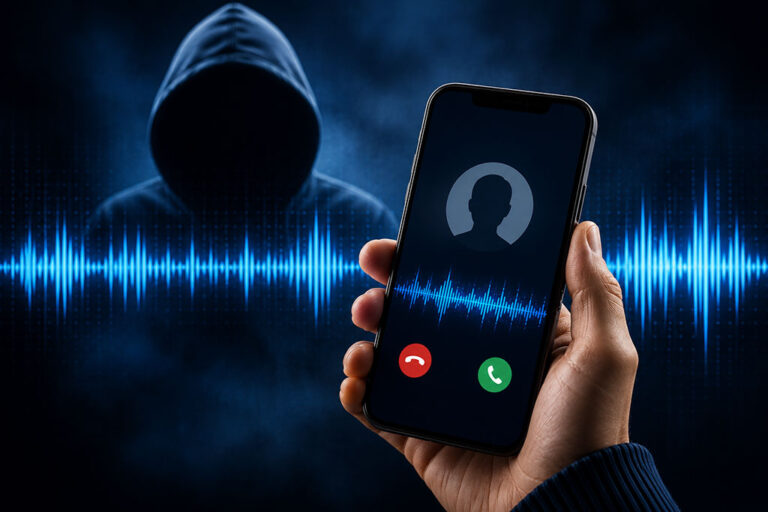
The Better Business Bureau (BBB) has issued a warning about cybercriminals posing as process servers. Process servers are people who deliver legal documents, such as court summonses and subpoenas. Cybercriminals are impersonating them to try to steal your sensitive information.
How the Scam Works
In this scam, the cybercriminal will call you from a restricted number and claim to be a process server. They will say that there is a lawsuit against you for unpaid bills and that you need to act quickly. They will then ask you for sensitive information, such as your birthday or Social Security number.
There are a few things you can do to protect yourself from this scam:
- Never give out sensitive information over the phone. If someone calls you and asks for your personal information, hang up and call the number on the back of your credit card or the website of the organization they claim to be from for verification purposes.
- Be wary of scare tactics. Cybercriminals often use scare tactics to try to get you to act quickly and reveal your personal information. If someone calls you and tells you that you have a lawsuit against you, ask them to send you the documents in the mail.
- Confirm the person’s identity. If you do decide to speak to the person on the phone, ask them to provide you with their name, the name of their organization, and their contact information. You can then verify their identity by calling the organization’s main number or checking their website.
If you think you have been the victim of this scam, report it to the BBB and the Federal Trade Commission (FTC). You can also file a report with your local police department.
Here are some additional tips to help you spot similar scams:
- Be suspicious of any unsolicited calls or emails. Cybercriminals often target people who are unsuspecting. If you receive a call or email from someone you don’t know, be careful about giving out any personal information.
- Never click on links in emails from people you don’t know. These links can lead to malicious websites that can infect your computer with malware.
- Keep your software up to date. Outdated software can have security vulnerabilities that cybercriminals can exploit.
Citynet offers security awareness training from industry leader KnowBe4.
The KnowBe4 security awareness training platform teaches your employees how to identify and avoid text scams, as well as other types of online fraud.
To learn more about our security awareness training, click here or call us at 1.844.CITYNET (844.248.9638)
Be sure to share this blog post with your colleagues, friends, and family, and stay safe!

Stop, Look, and Think. Don’t be fooled.